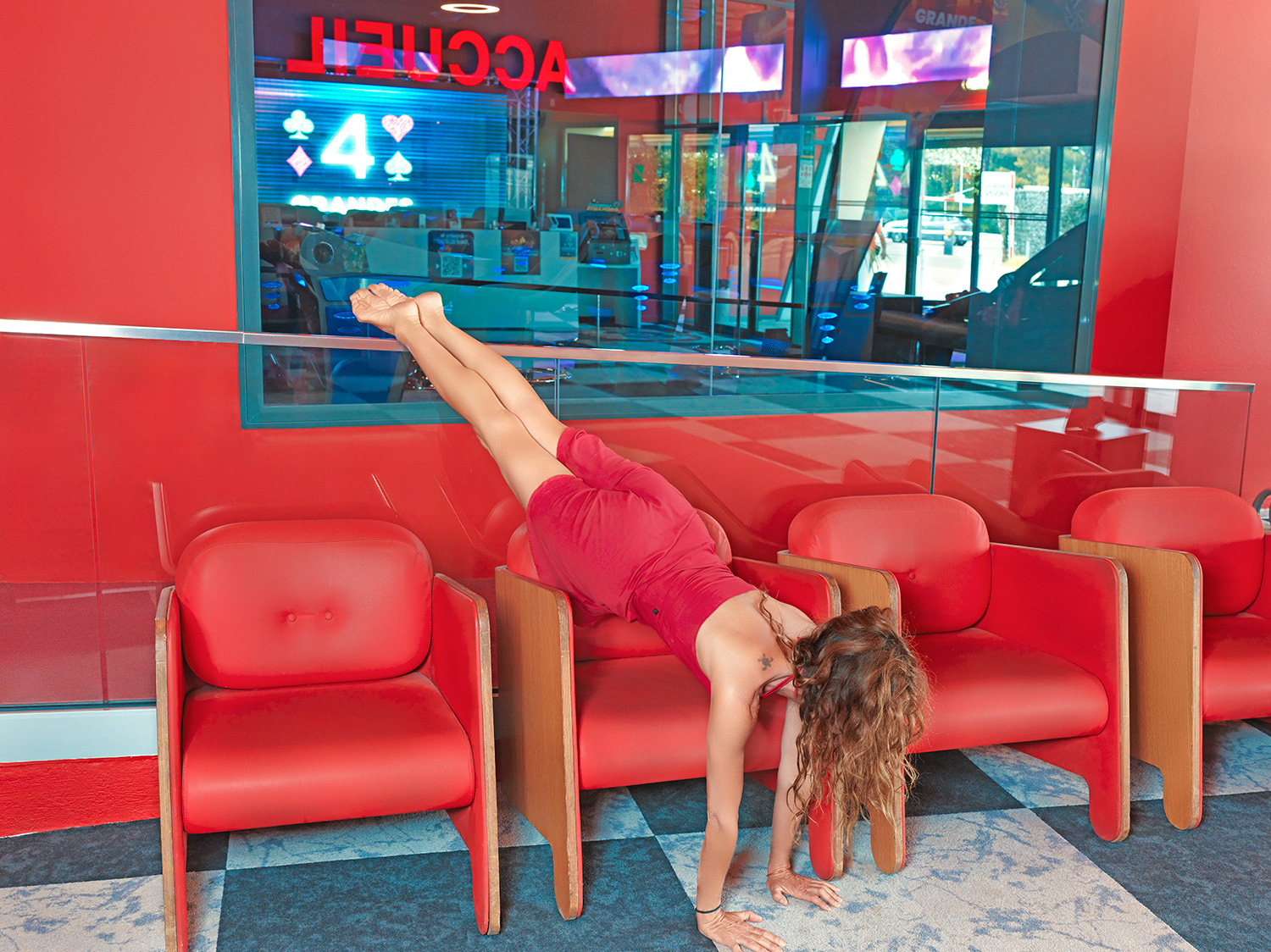
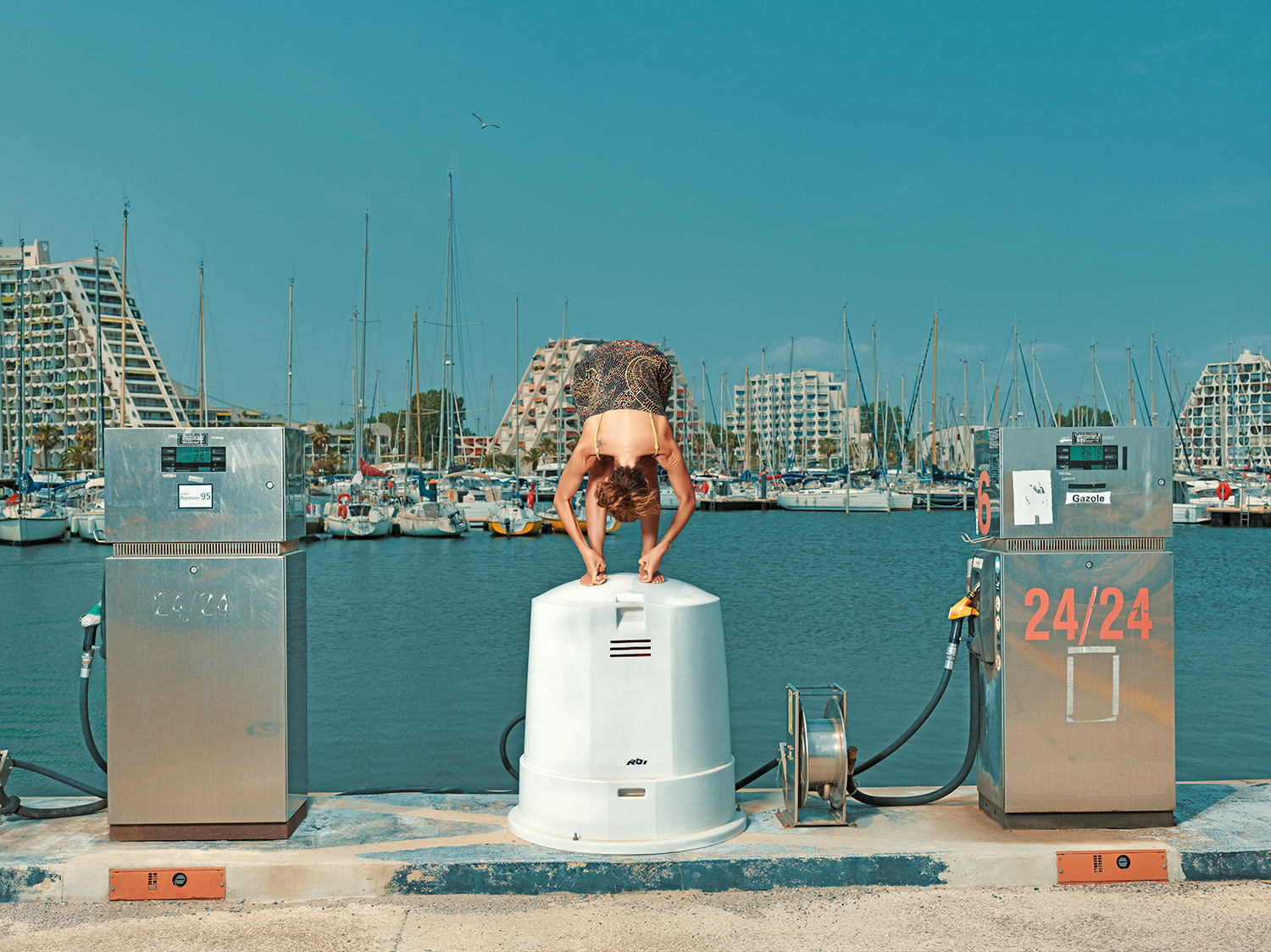
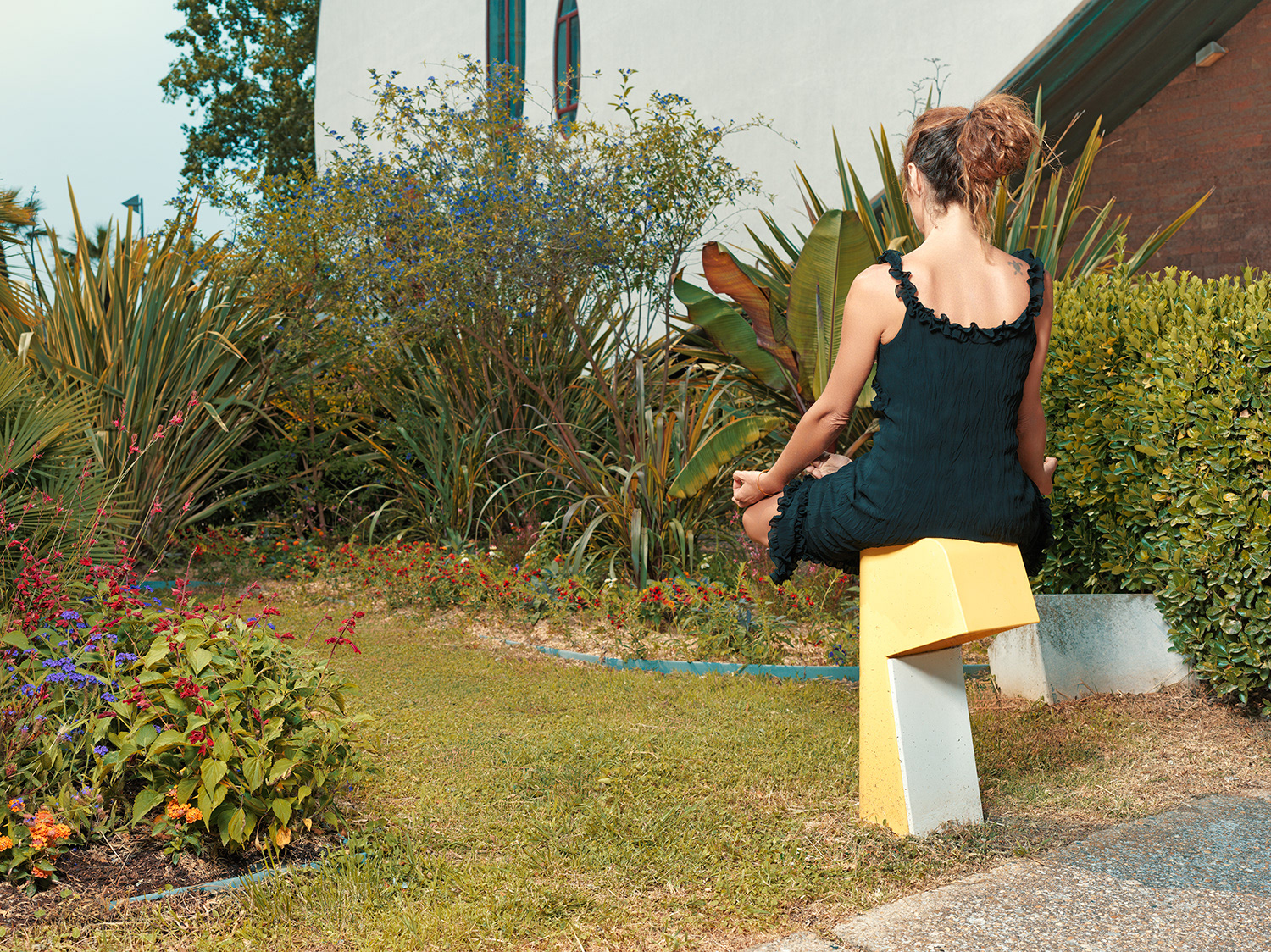
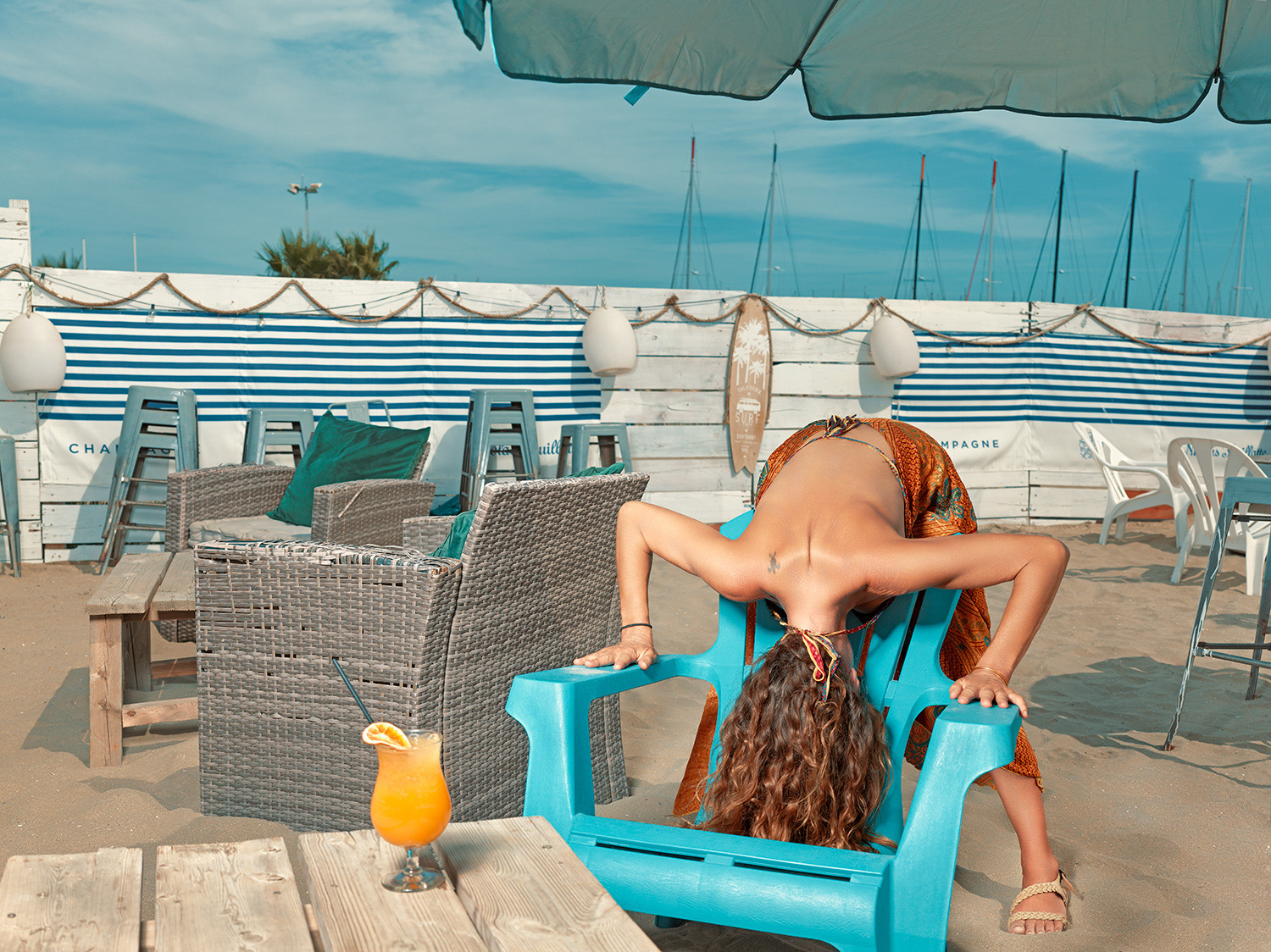
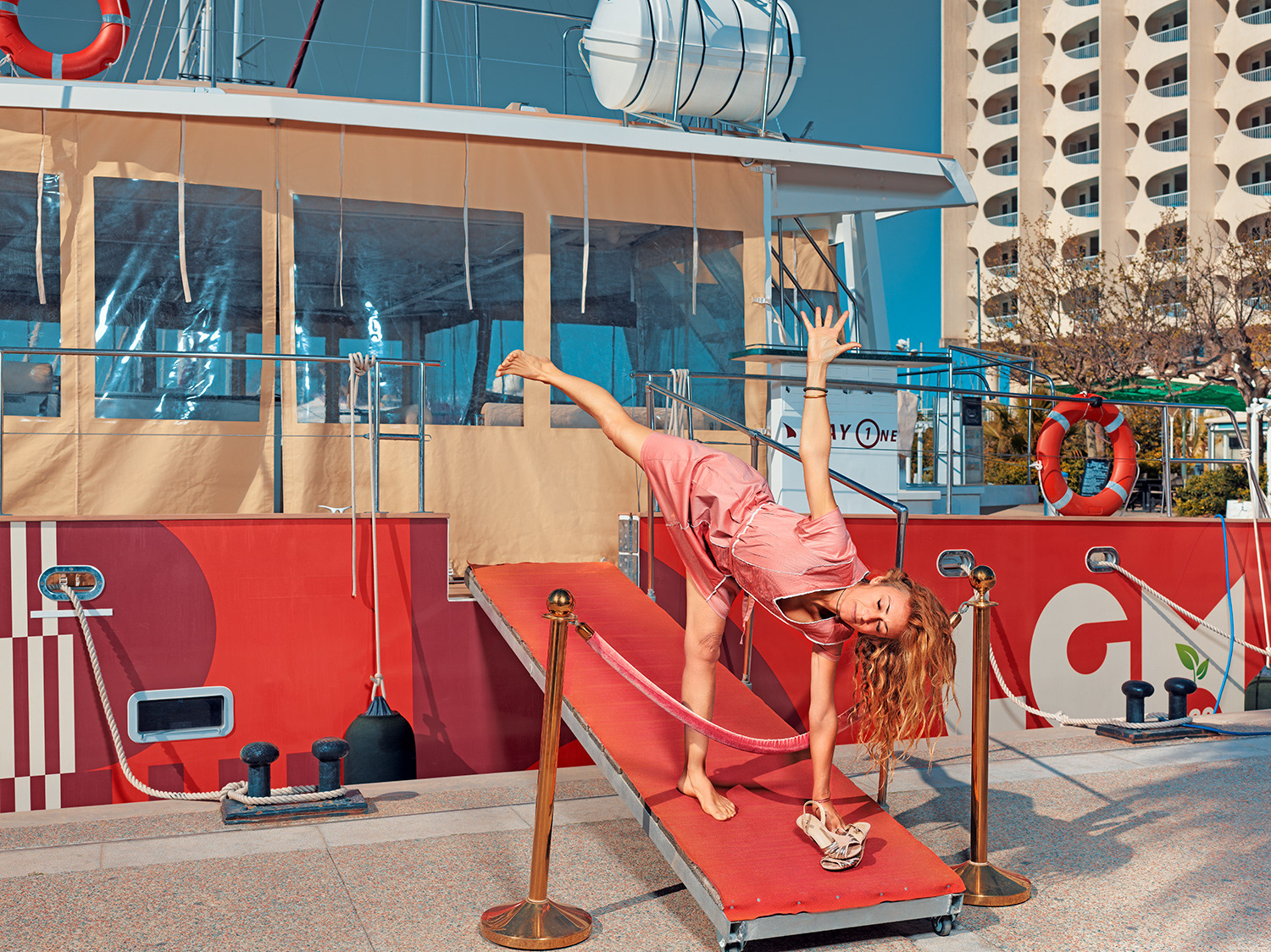
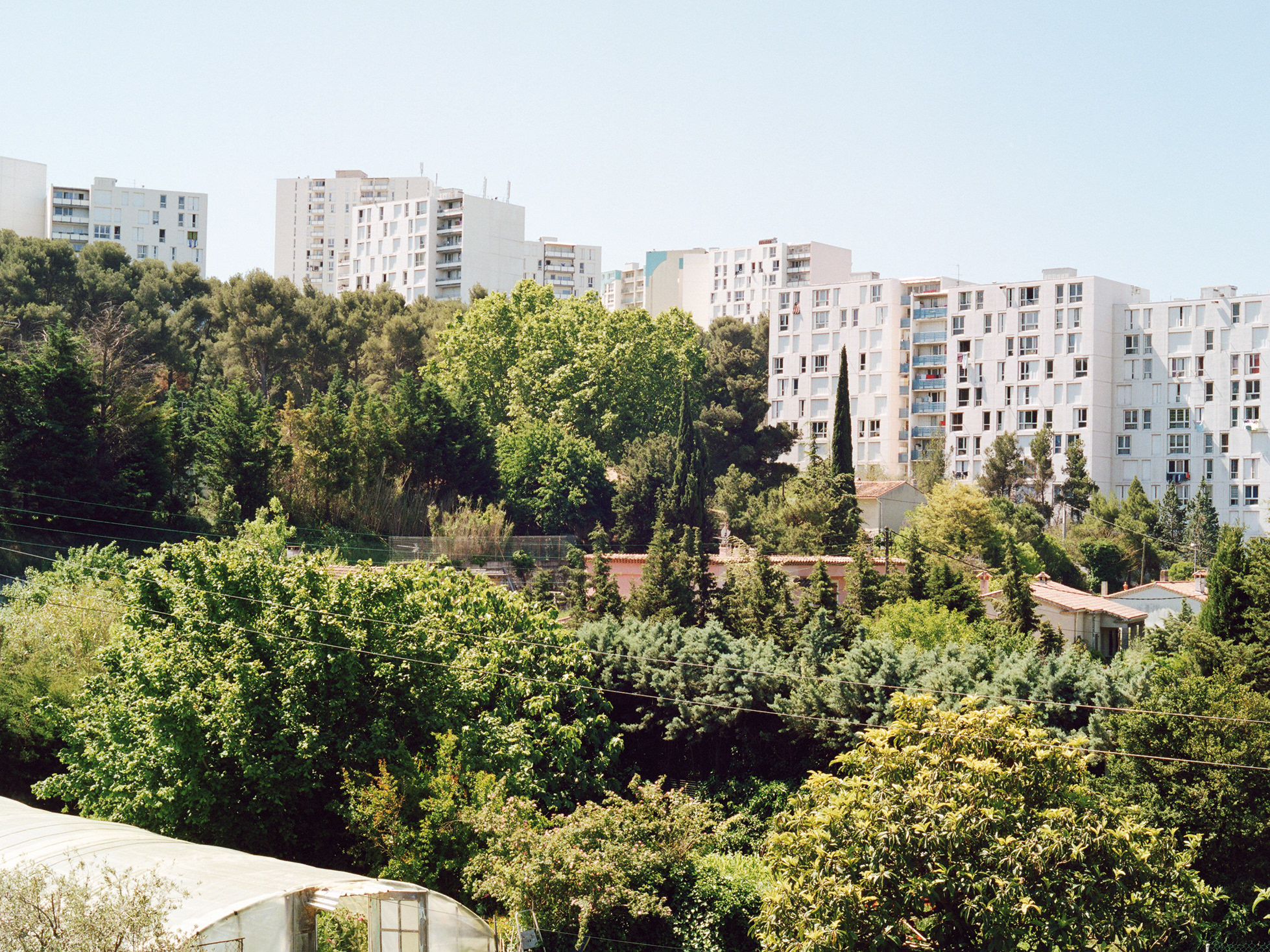
Posture(s) est une série réalisée à La Grande Motte, pensée spécifiquement pour ce territoire et son architecture moderniste. Le projet interroge la condition humaine à travers la relation de l’individu à la ville, à la nature et, plus largement, à sa place dans le monde. La station balnéaire conçue par Jean Balladur – son urbanisme d’avant‑garde, son écriture formelle et symbolique, son inscription au milieu de la verdure – devient un laboratoire où se rejoue ce questionnement universel.
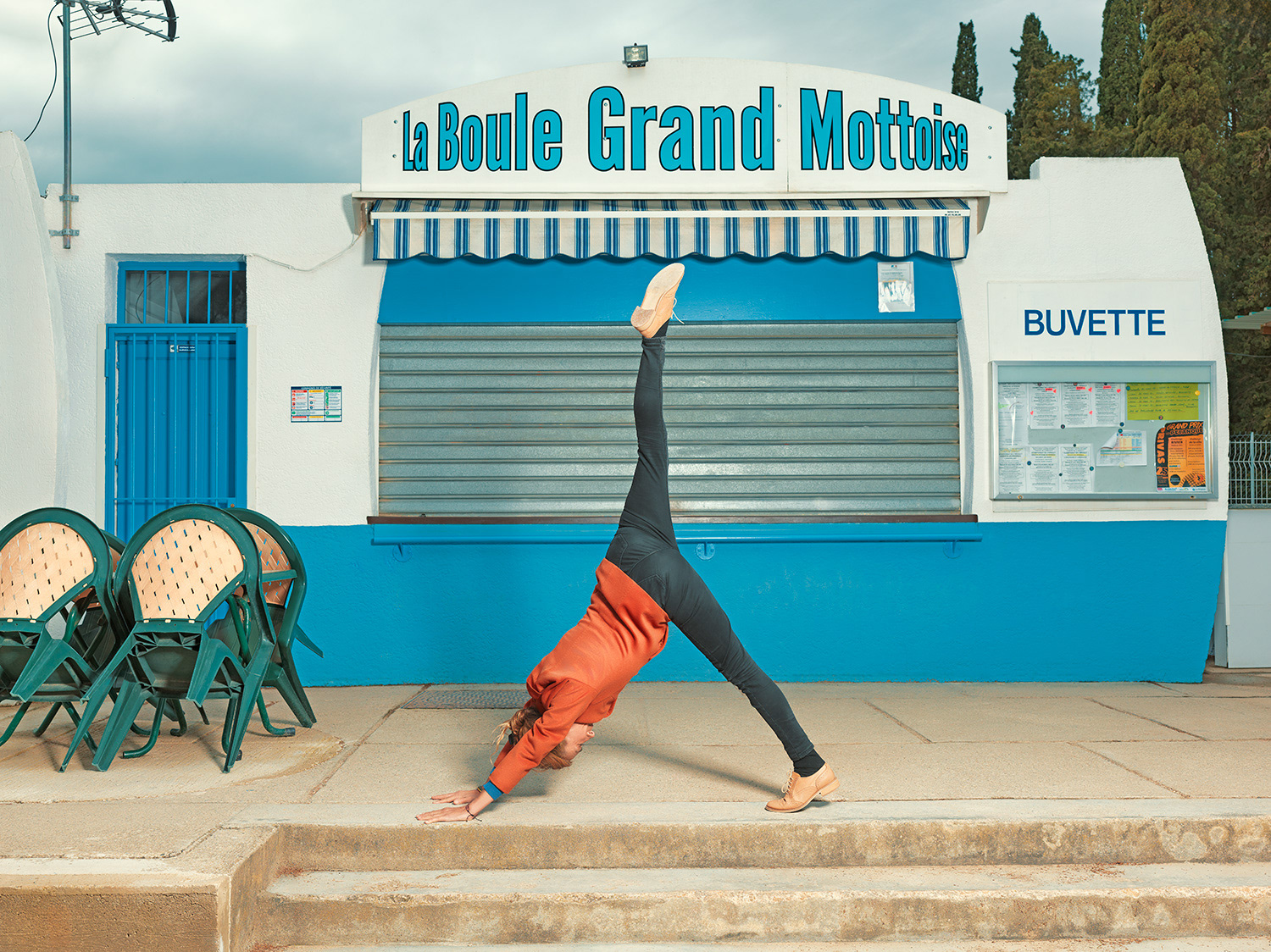
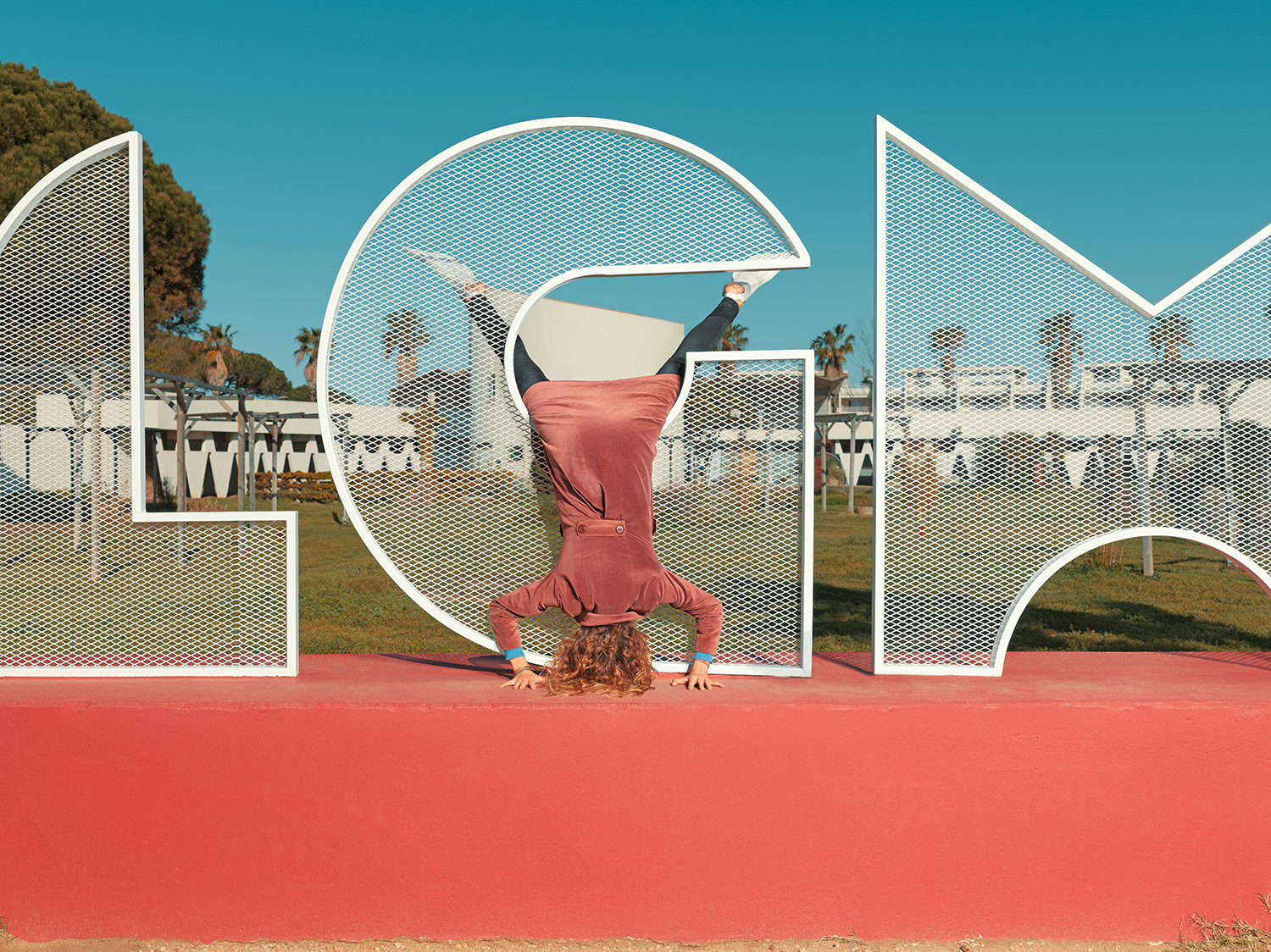
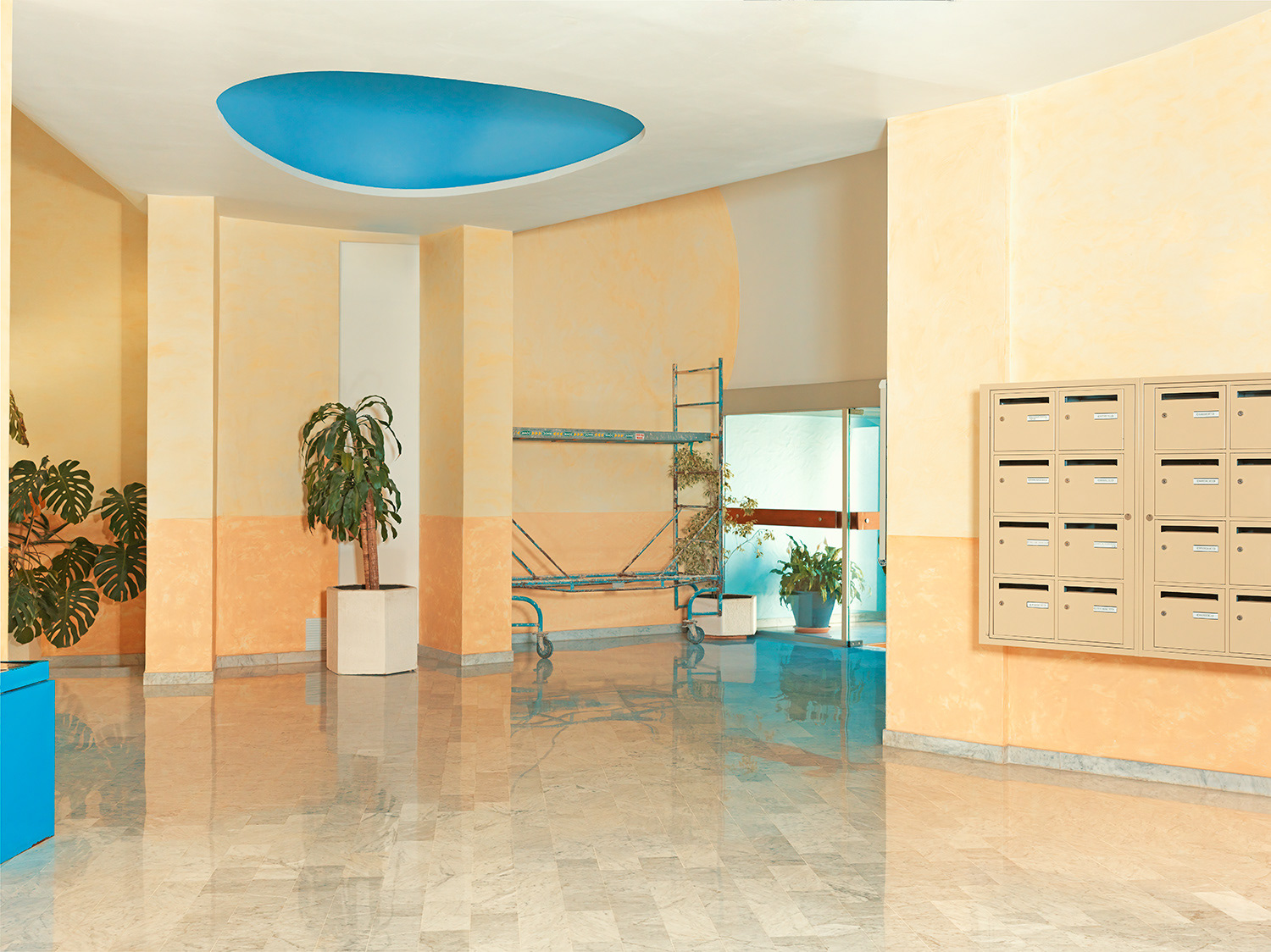
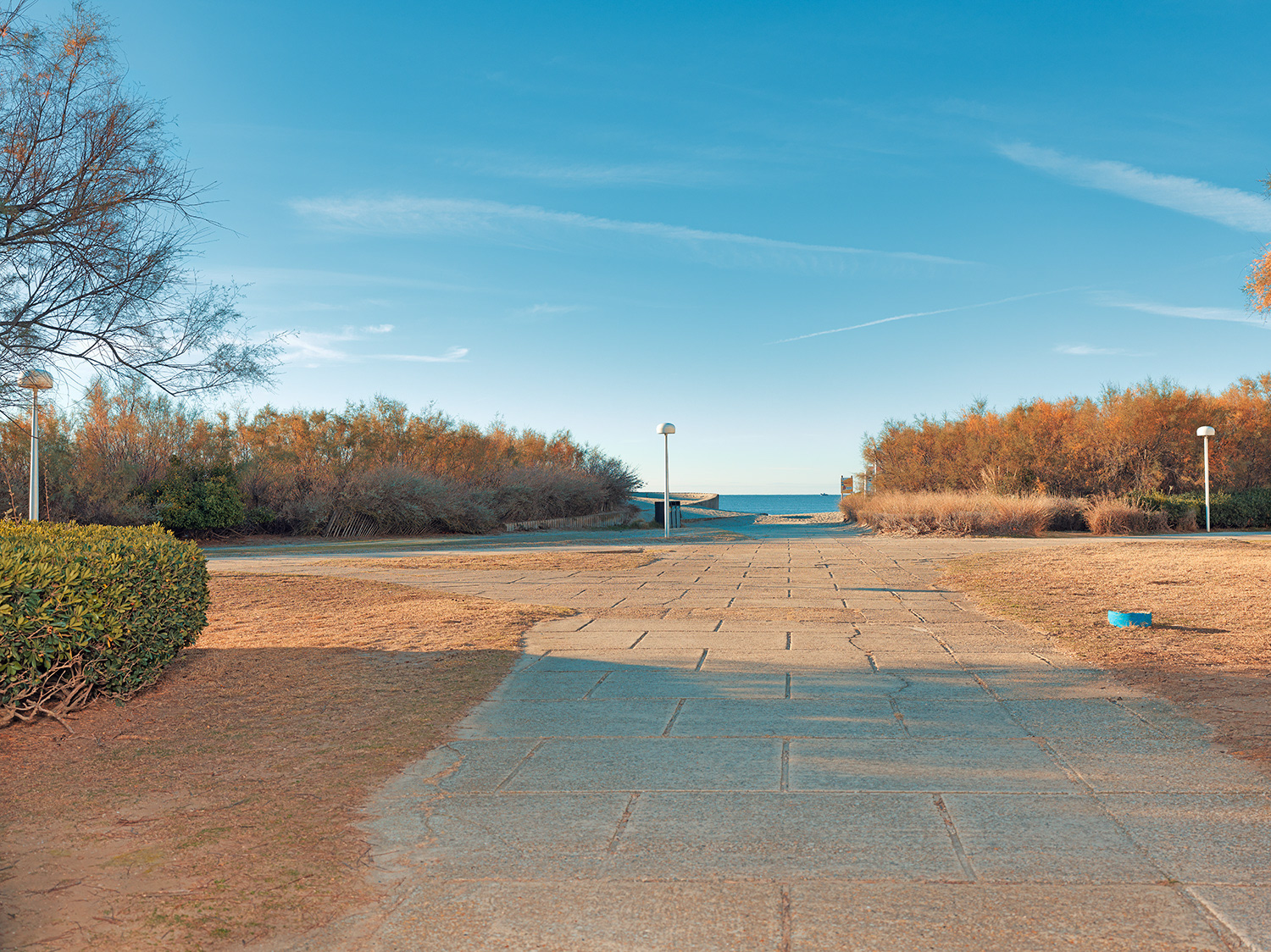
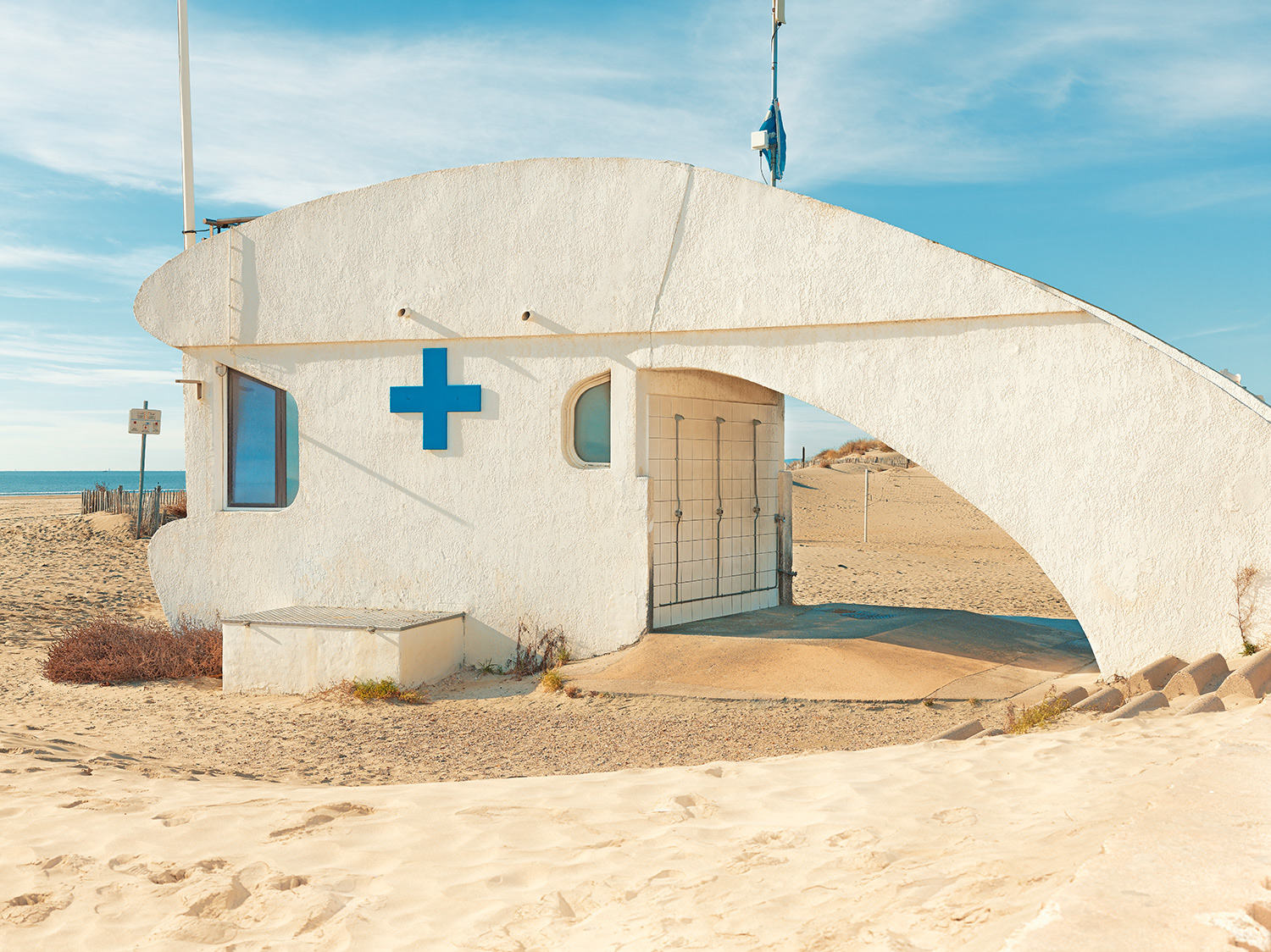
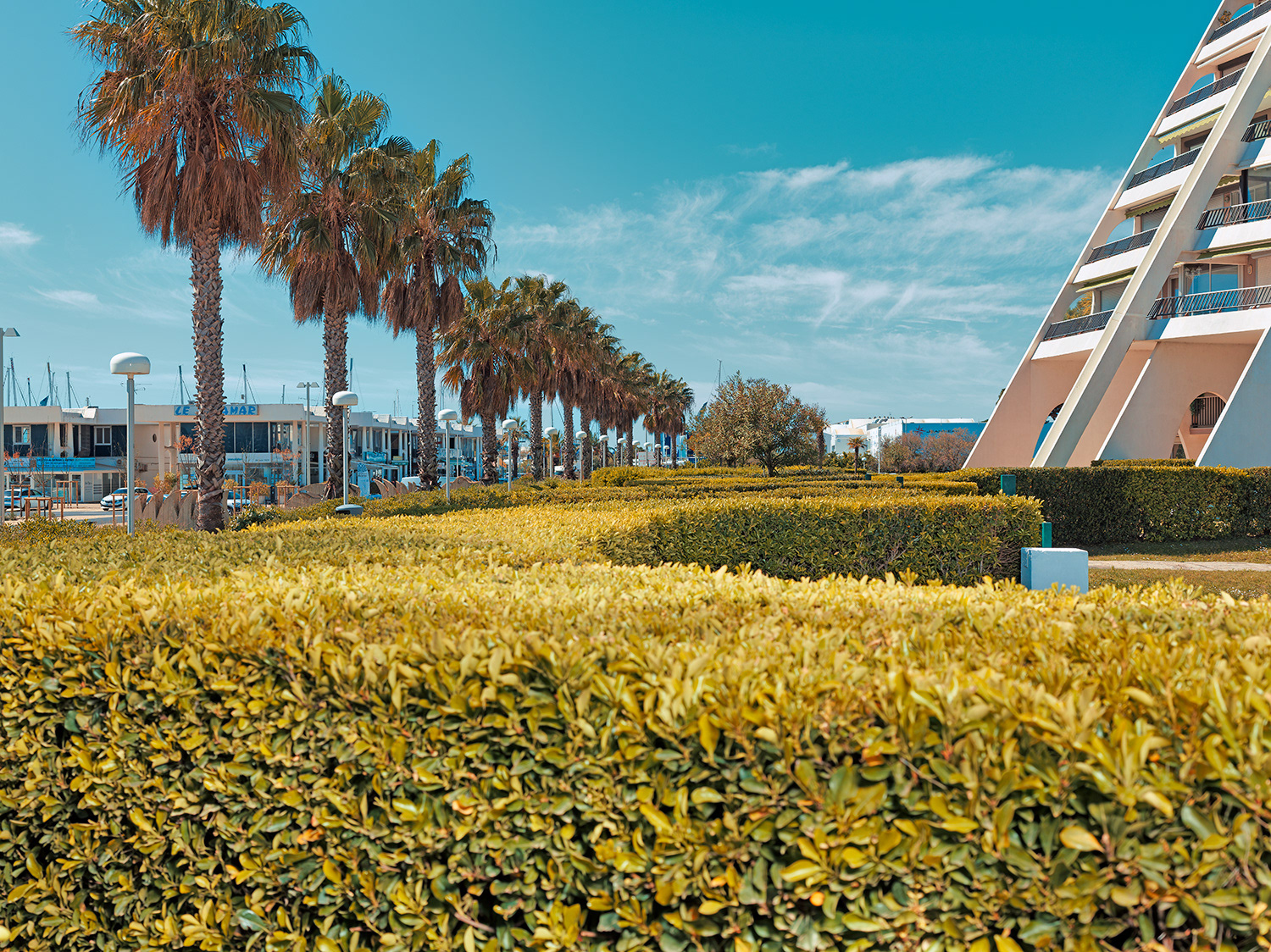
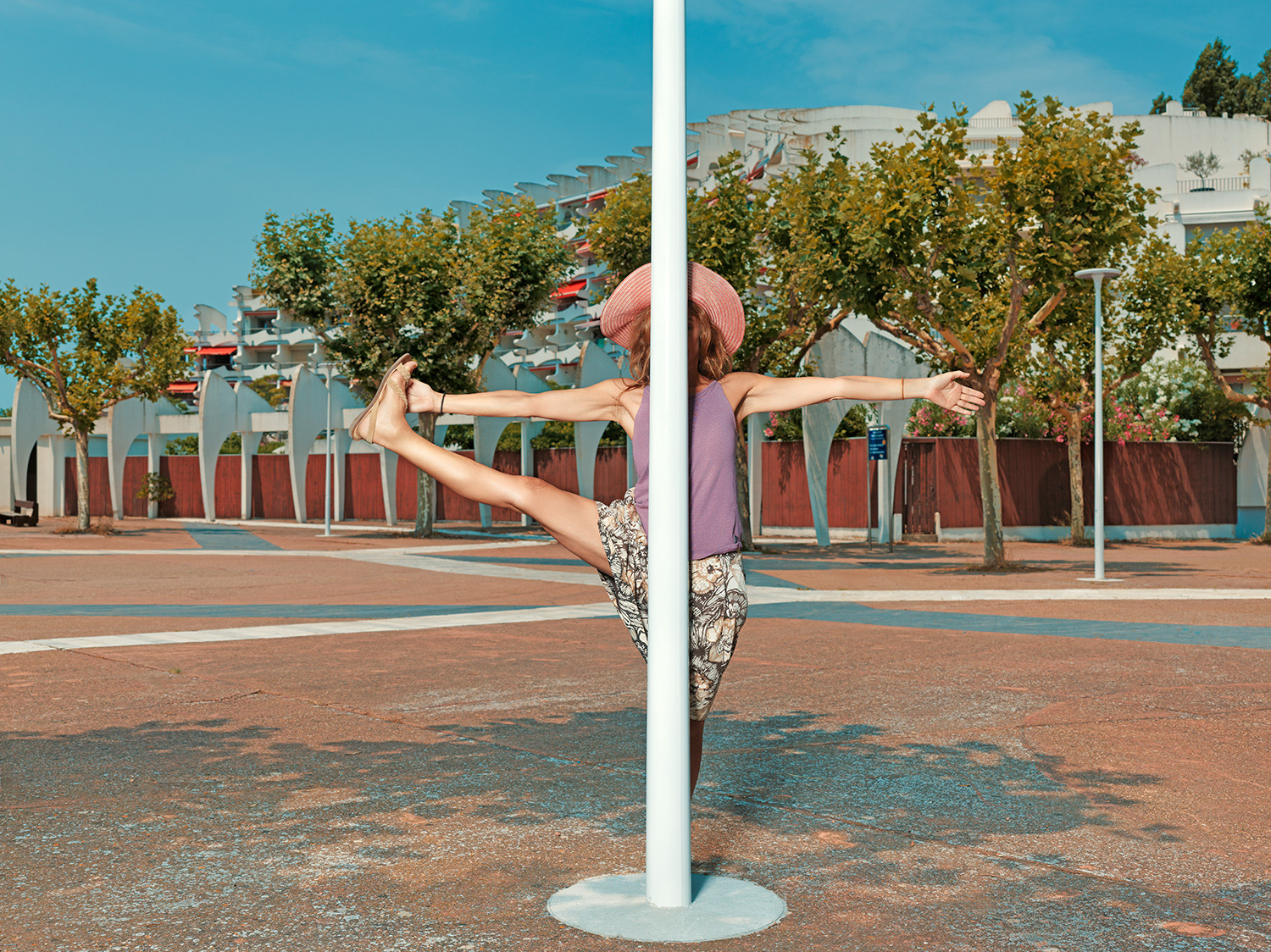
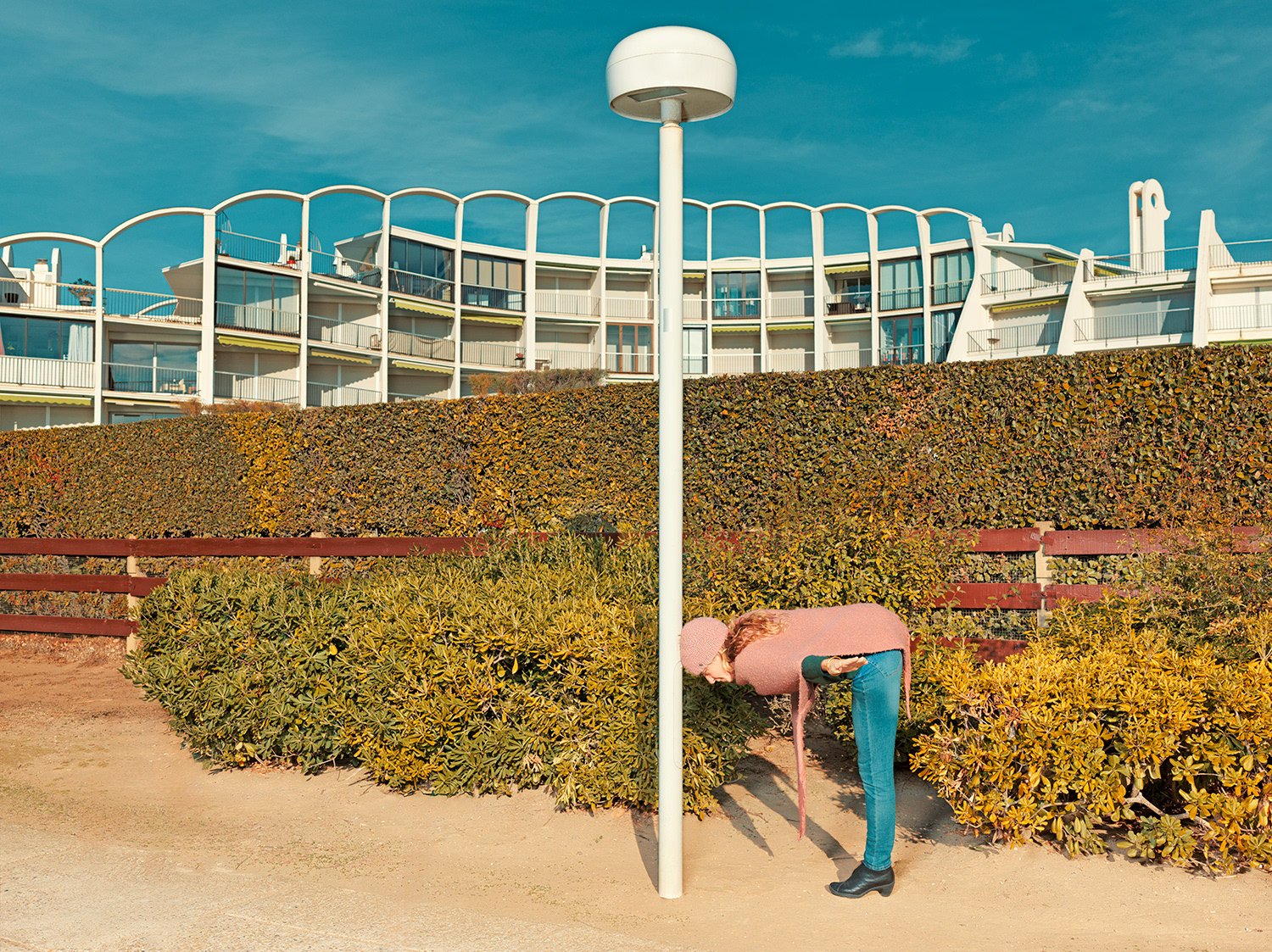
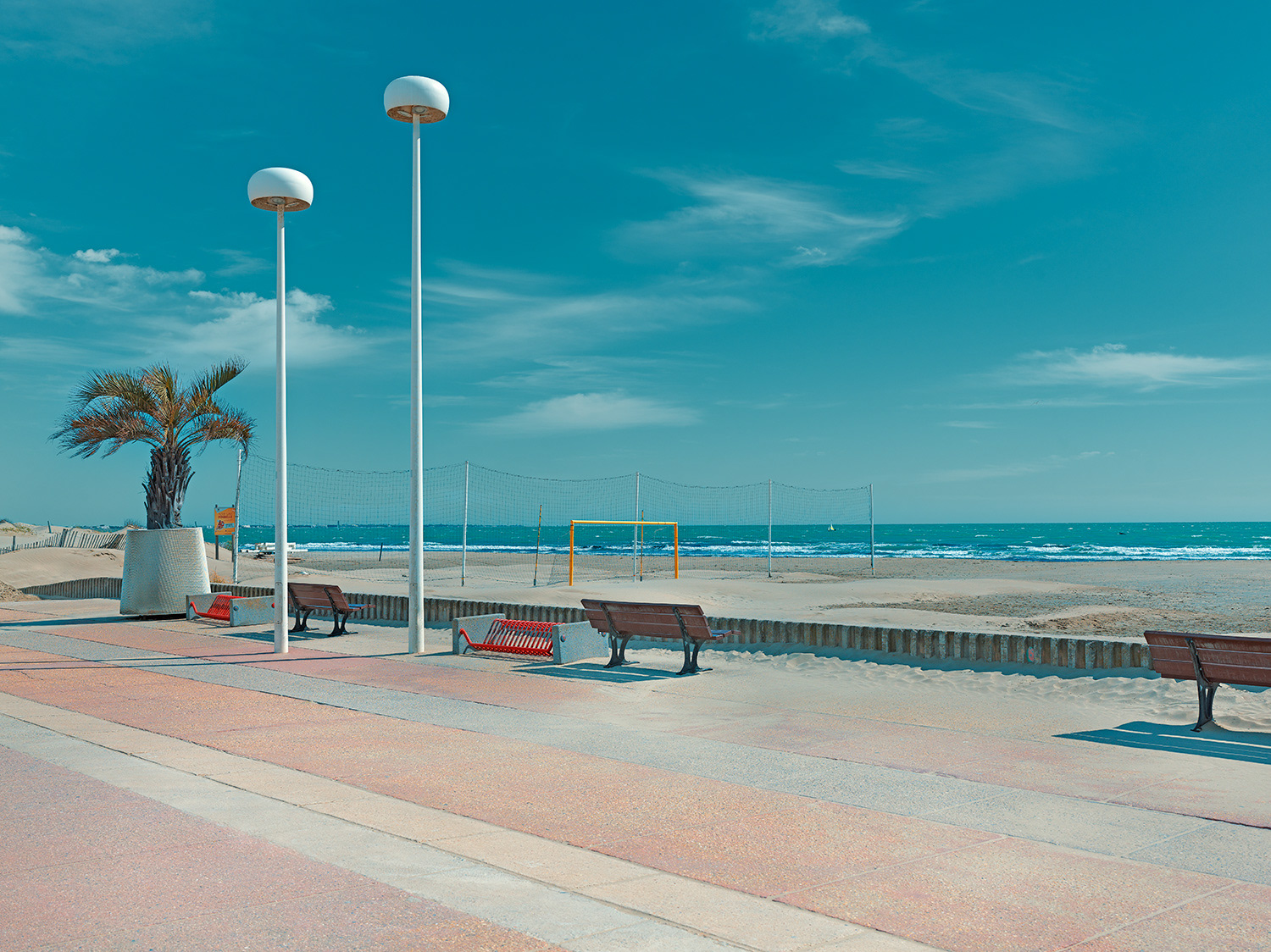
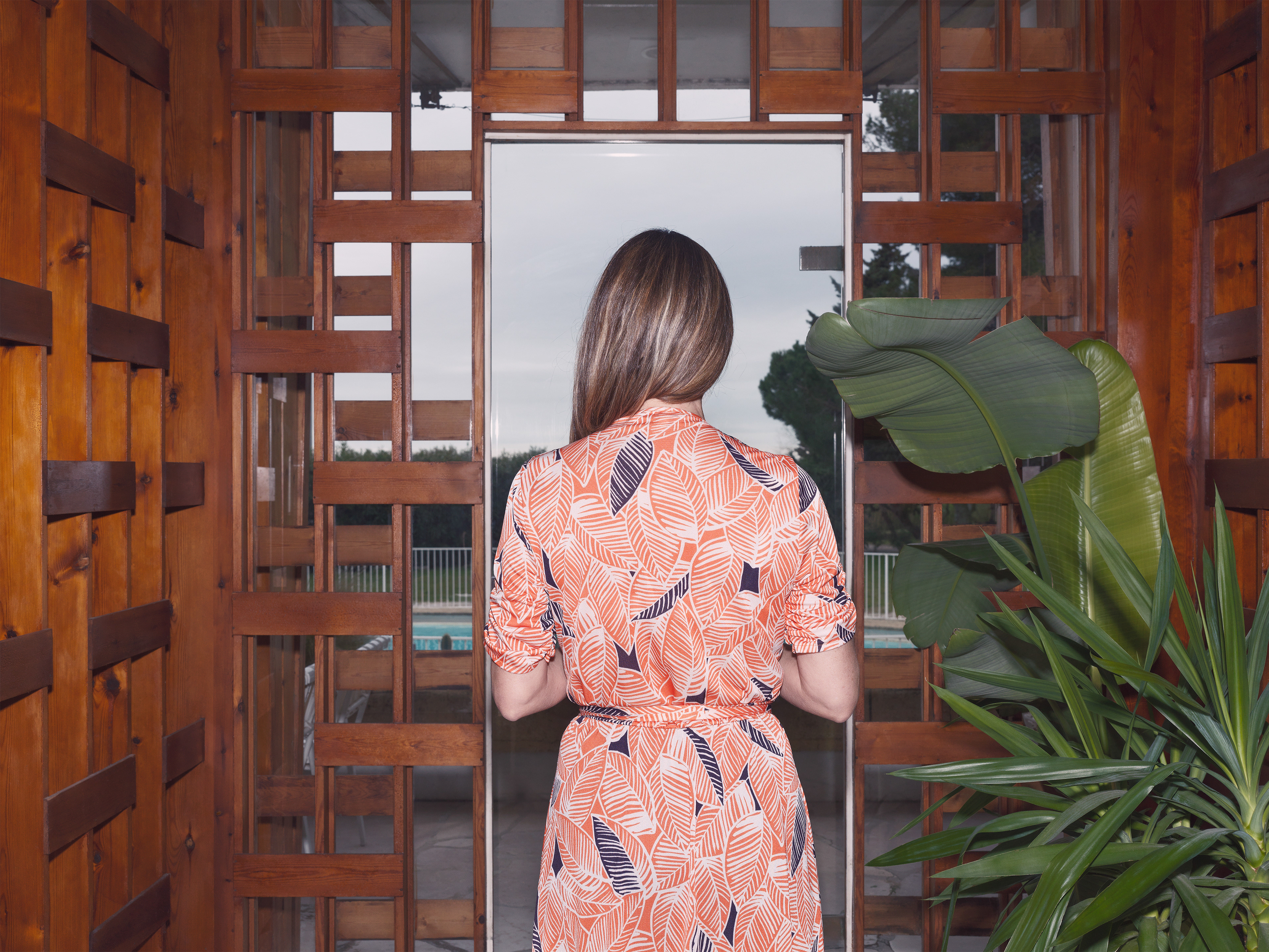
Les images s’emparent de cette architecture humaniste dans une lumière crue et directe, qui accentue l’hyperréalisme, les lignes et les volumes. Le traitement visuel épure l’environnement, élimine certains éléments du quotidien pour n’en conserver que quelques indices choisis. Dans cet espace filtré, la présence d’un personnage féminin récurrent – à la peau presque cirée, au visage souvent dissimulé – introduit une dimension à la fois réelle et légèrement irréelle. Certaines vues, quasi désertes, fonctionnent comme des paysages mentaux qui dialoguent avec les interrogations portées par cette figure.
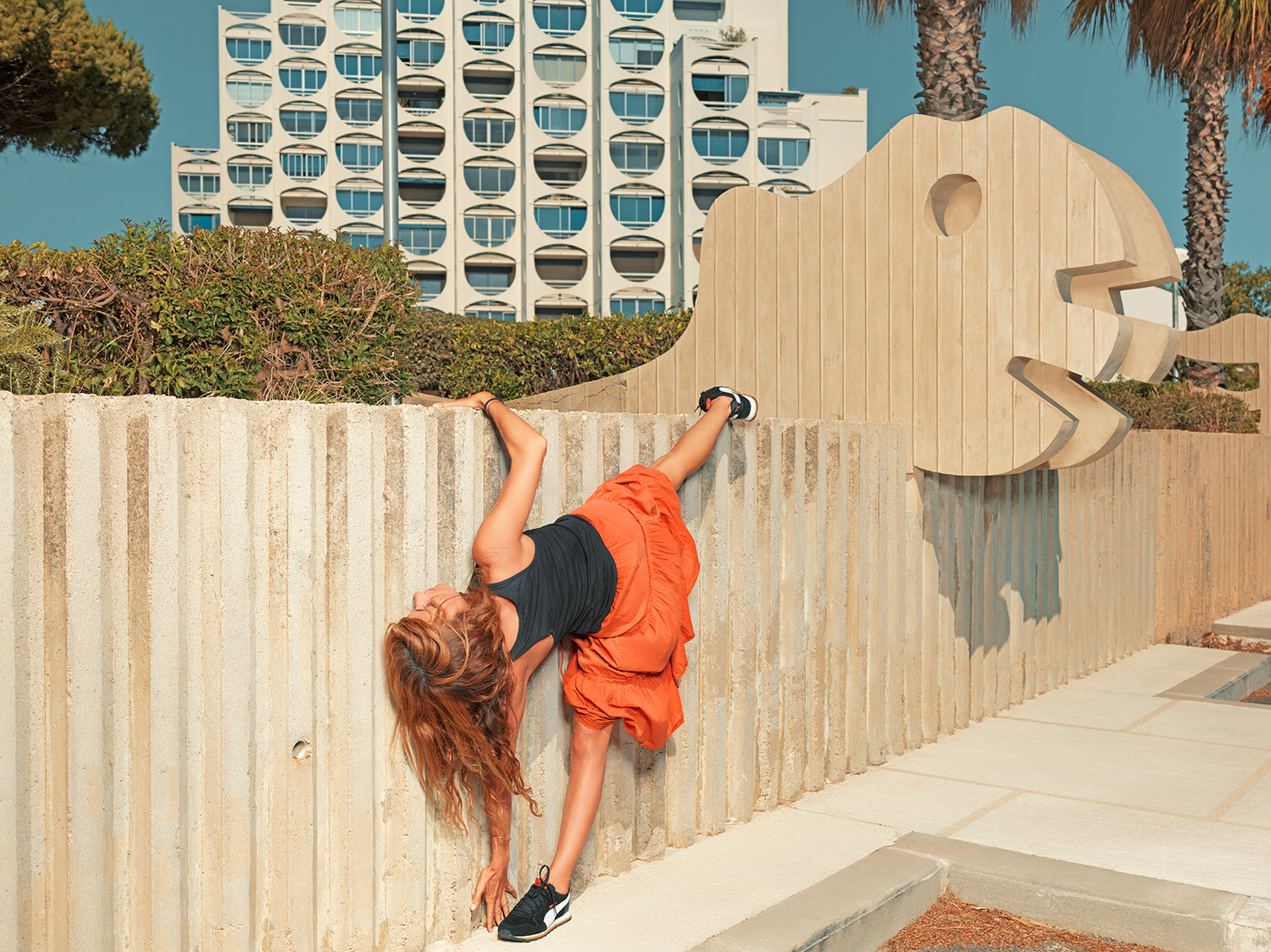
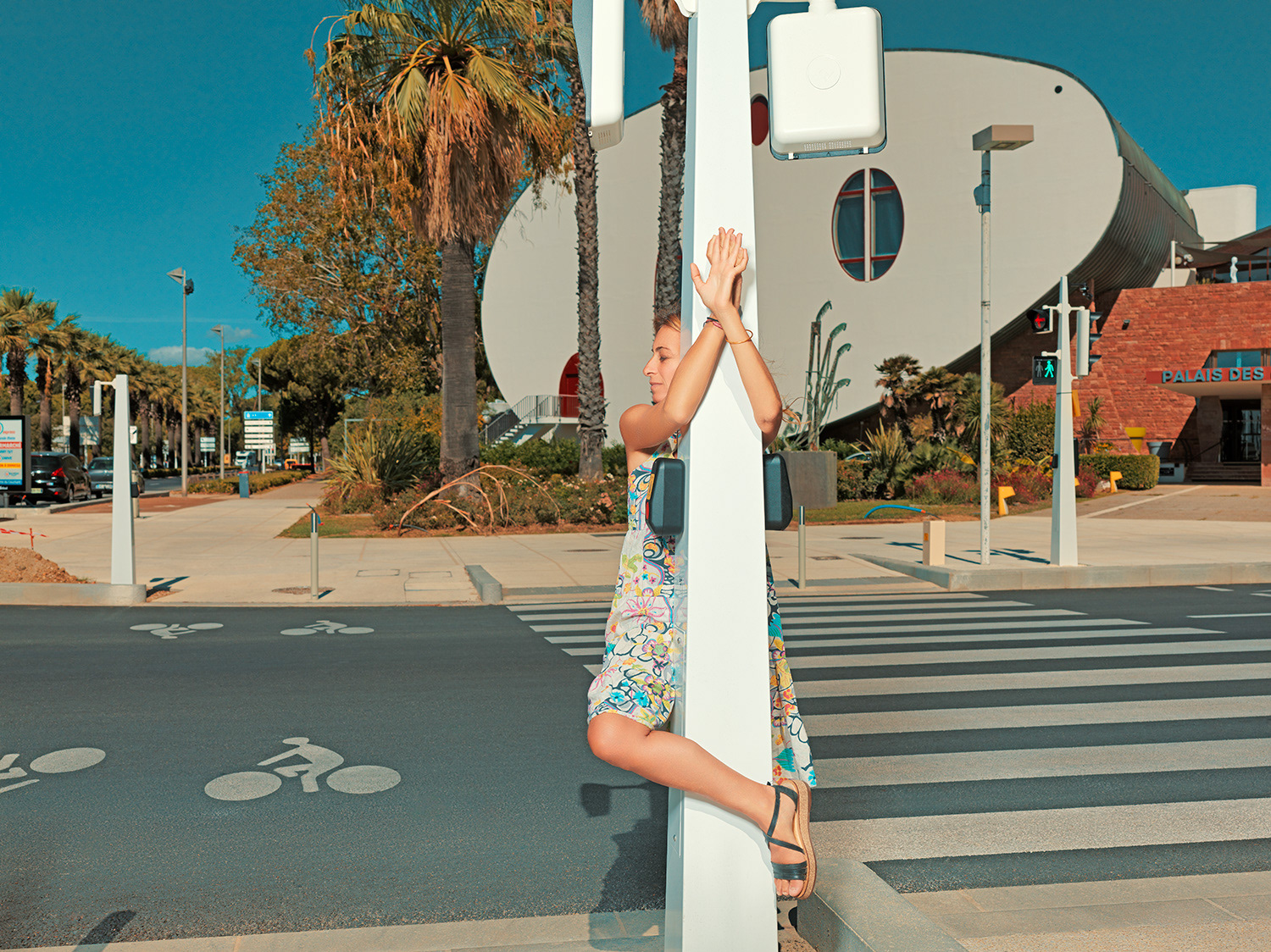
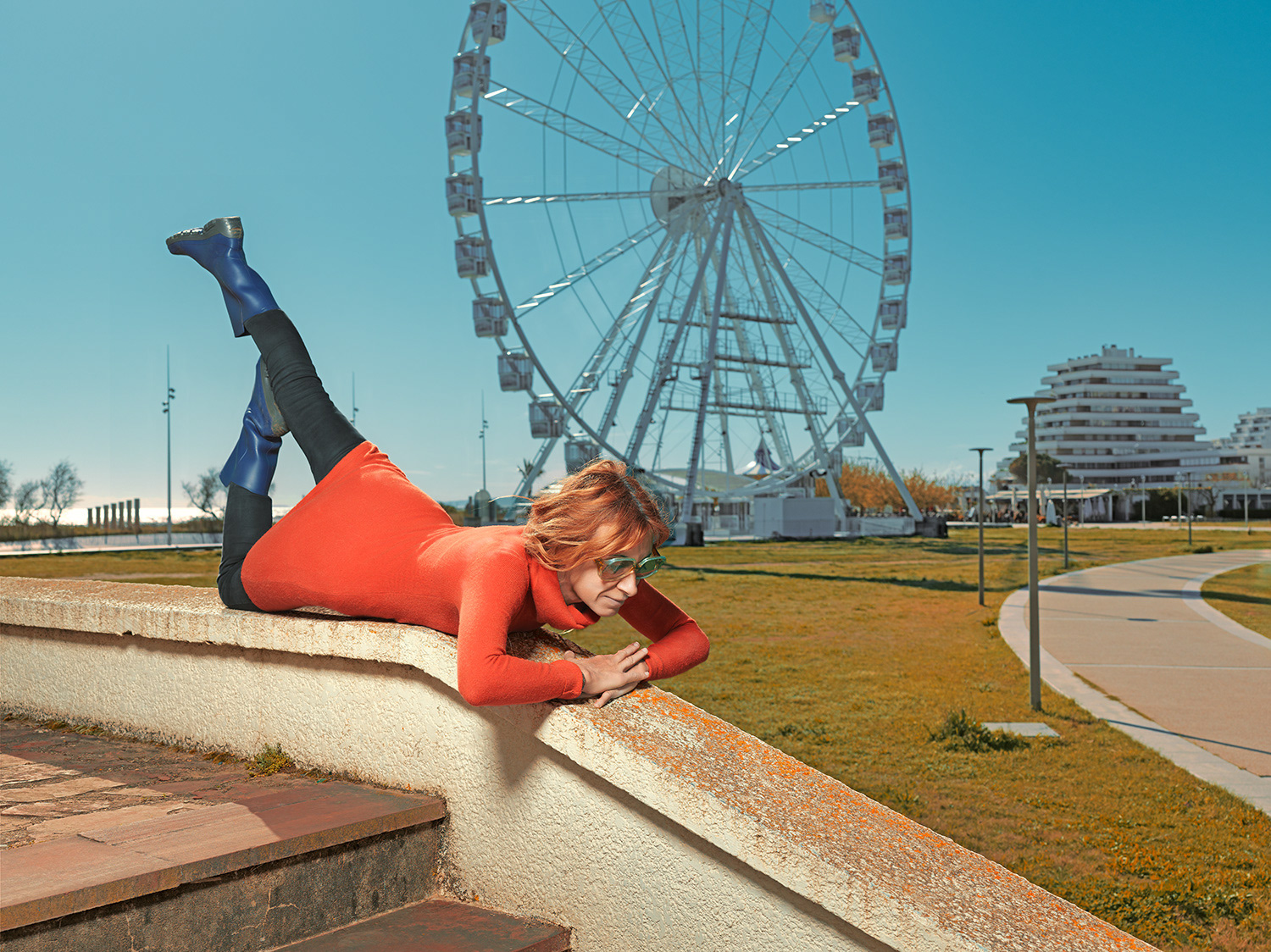
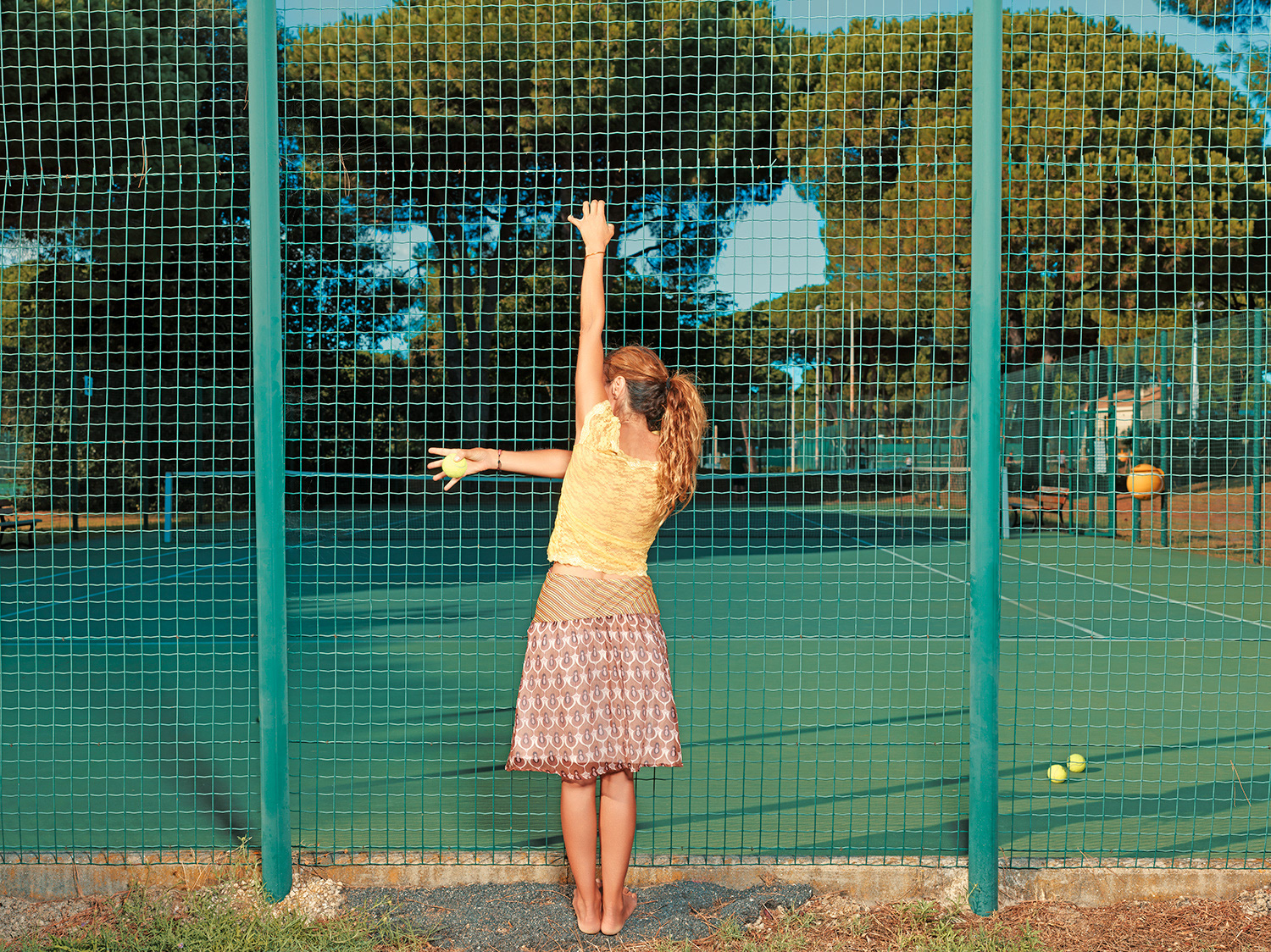
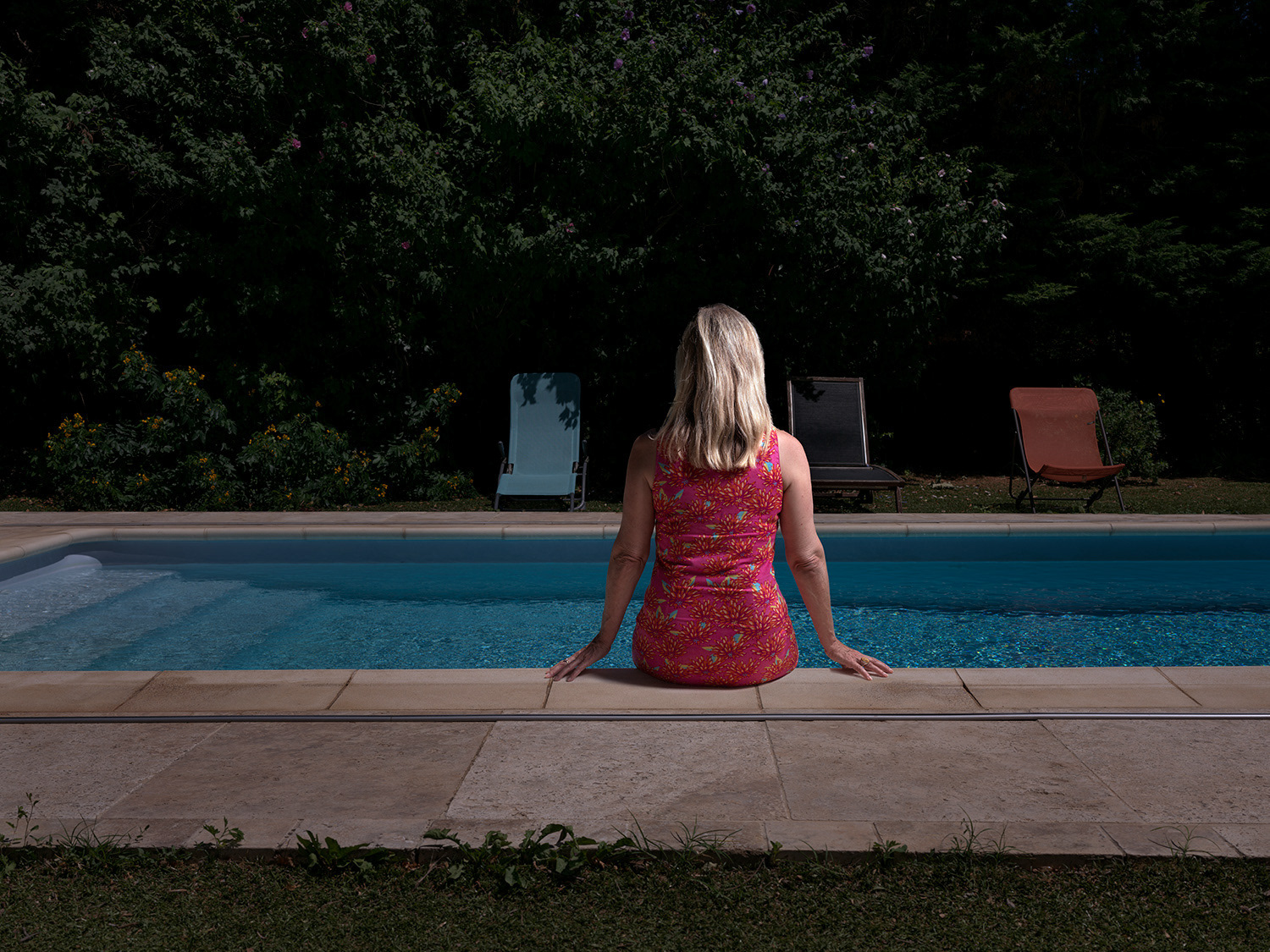
Cette femme, que l’on suit au fil des saisons, apparaît dans ses vêtements de tous les jours, mise en scène dans les jardins, les voies de circulations, les lieux communs ou emblématiques de la ville. Elle condense les questions de l’être humain face à sa vie terrestre. Le projet se construit autour de la notion de posture : attitude adoptée face au monde, mais aussi configuration du corps dans l’espace, en écho à la construction architecturale, et manière dont un organisme affronte les stimulations extérieures.
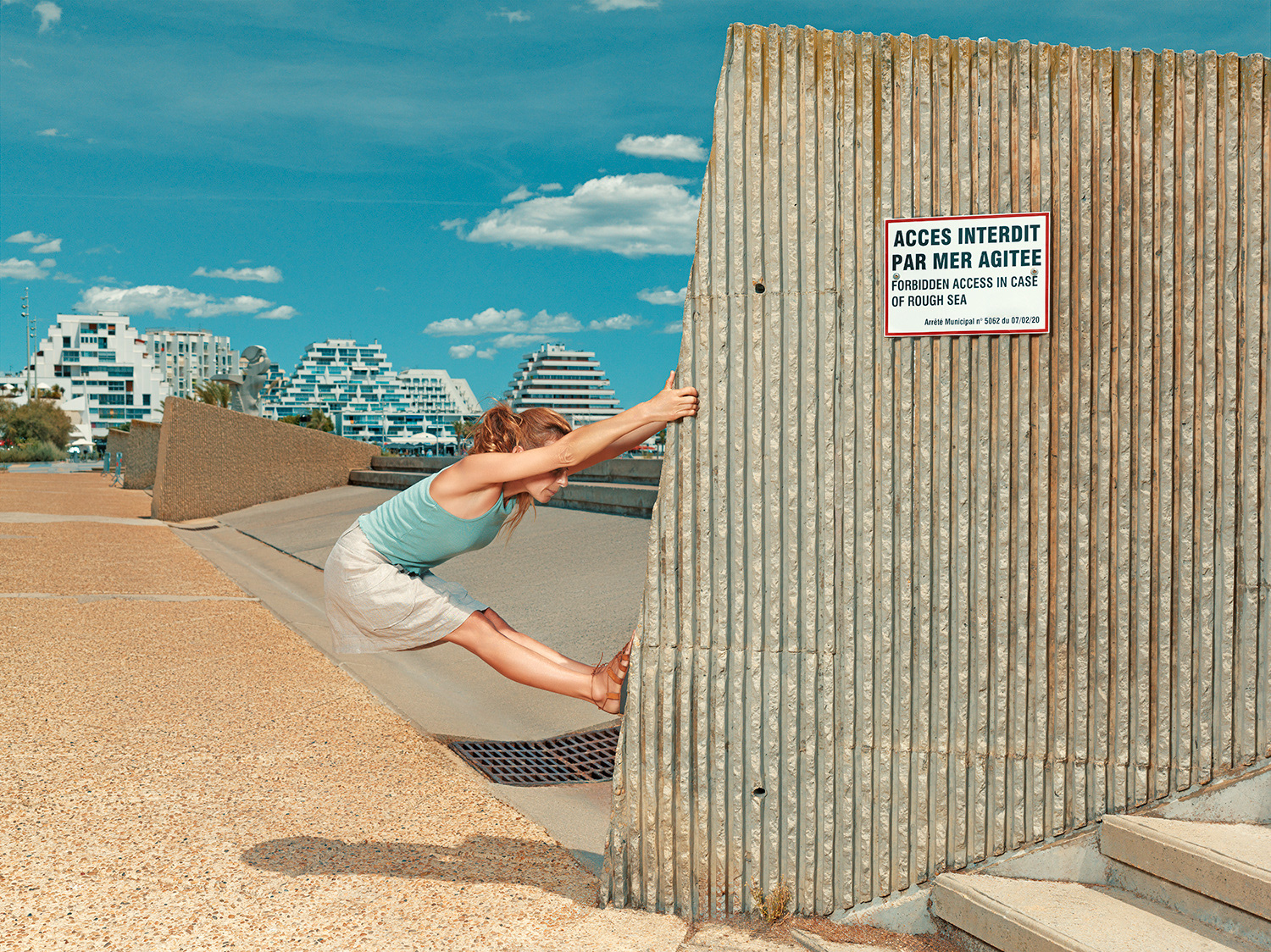
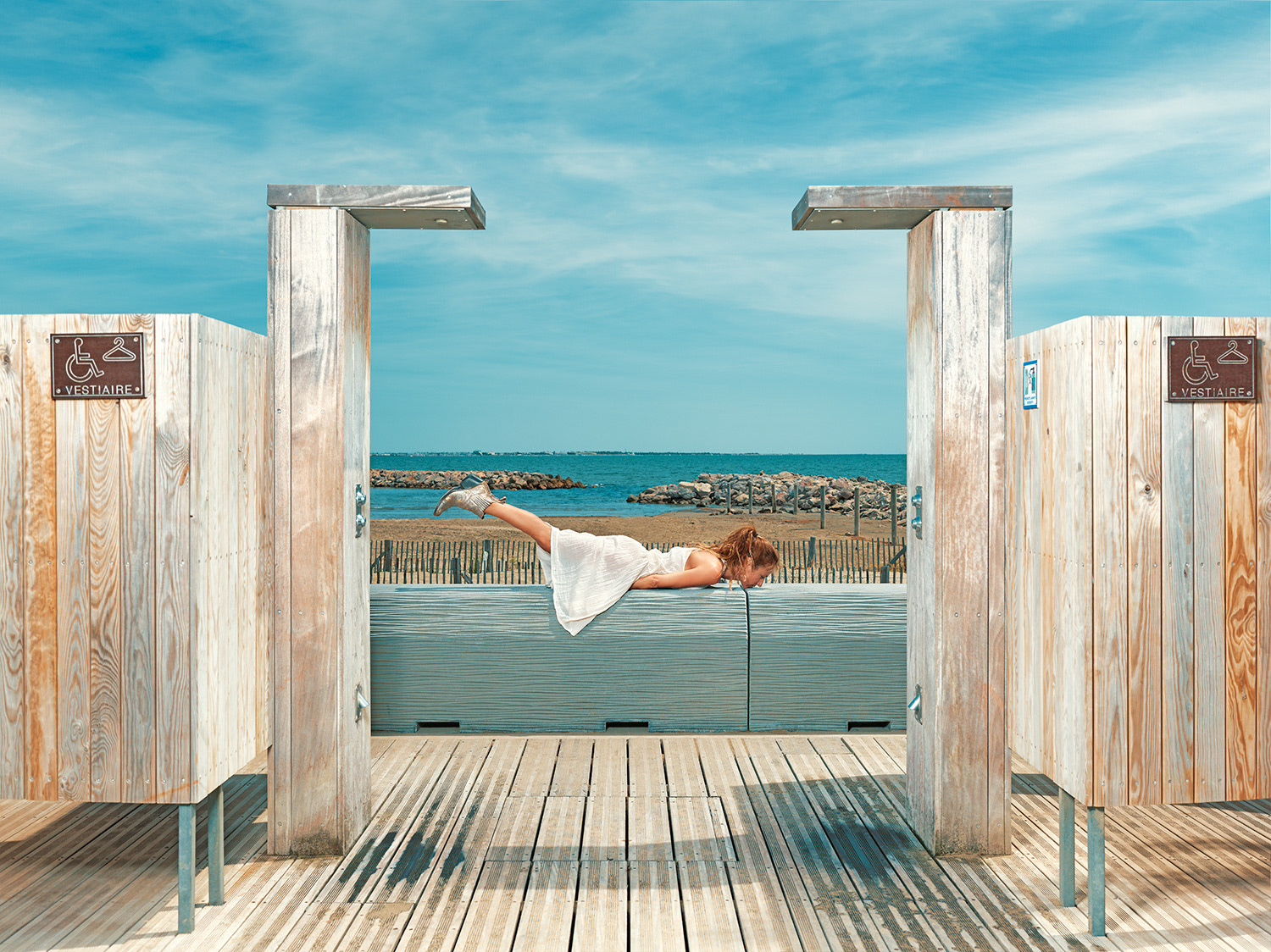
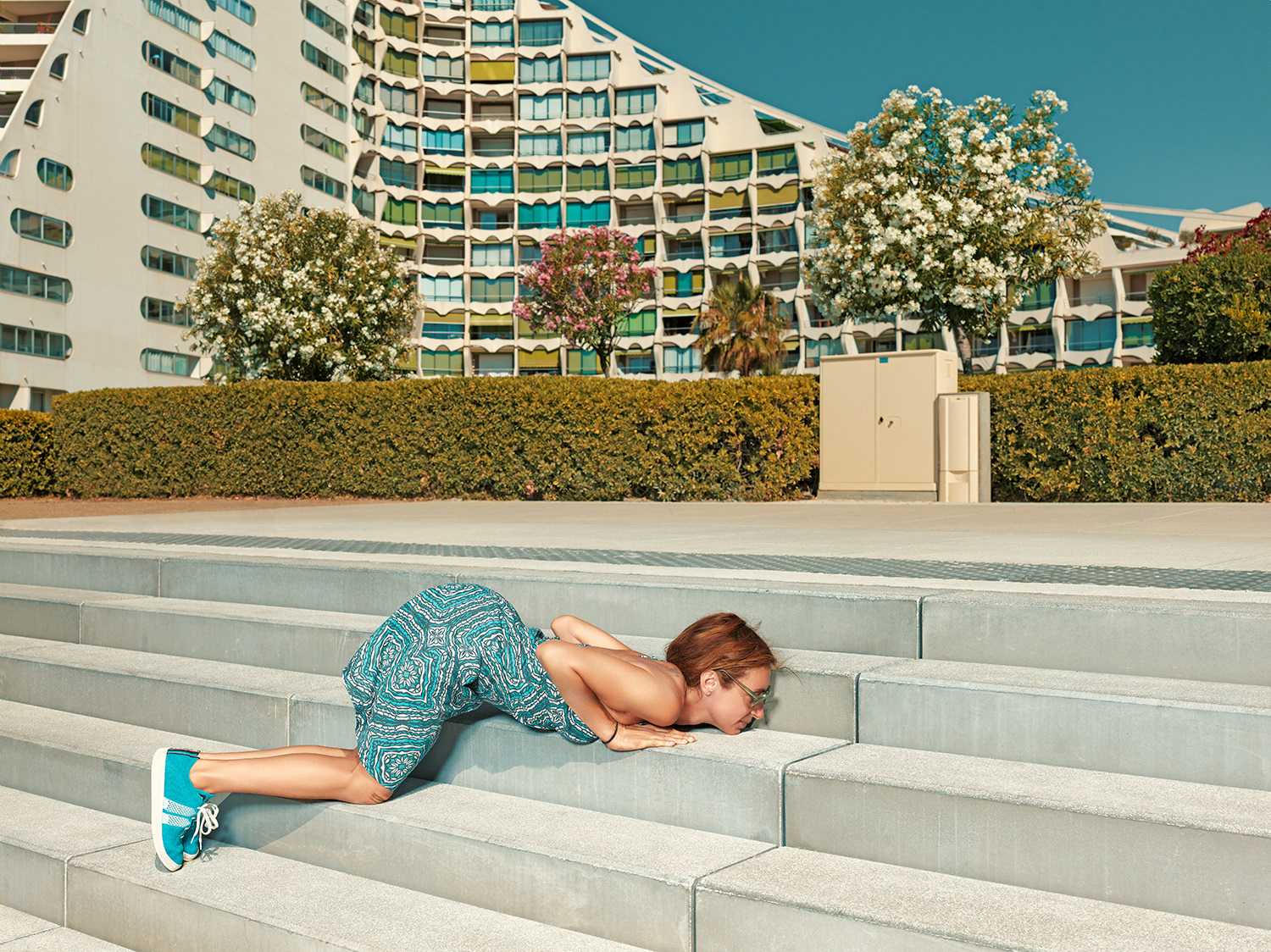
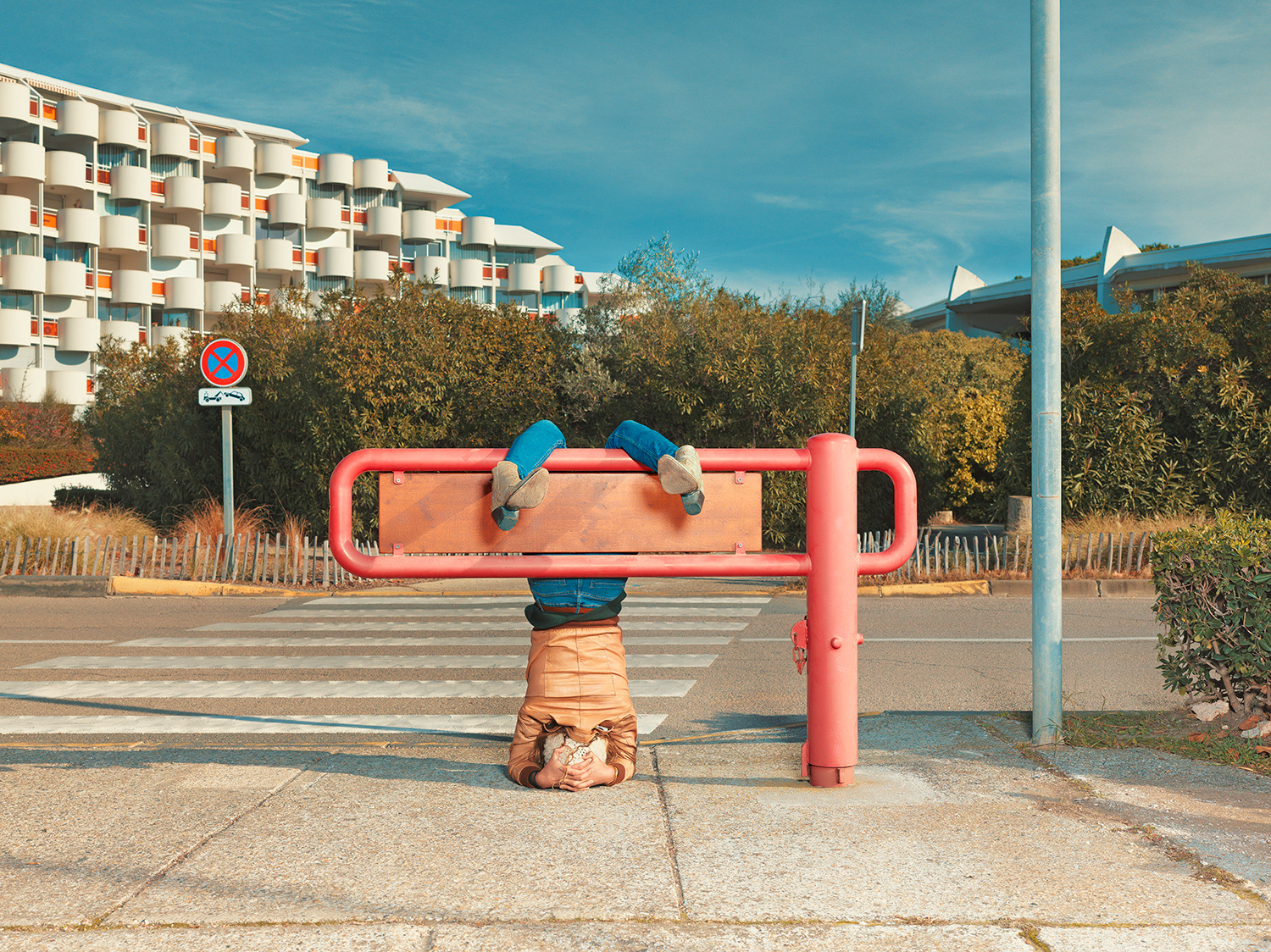
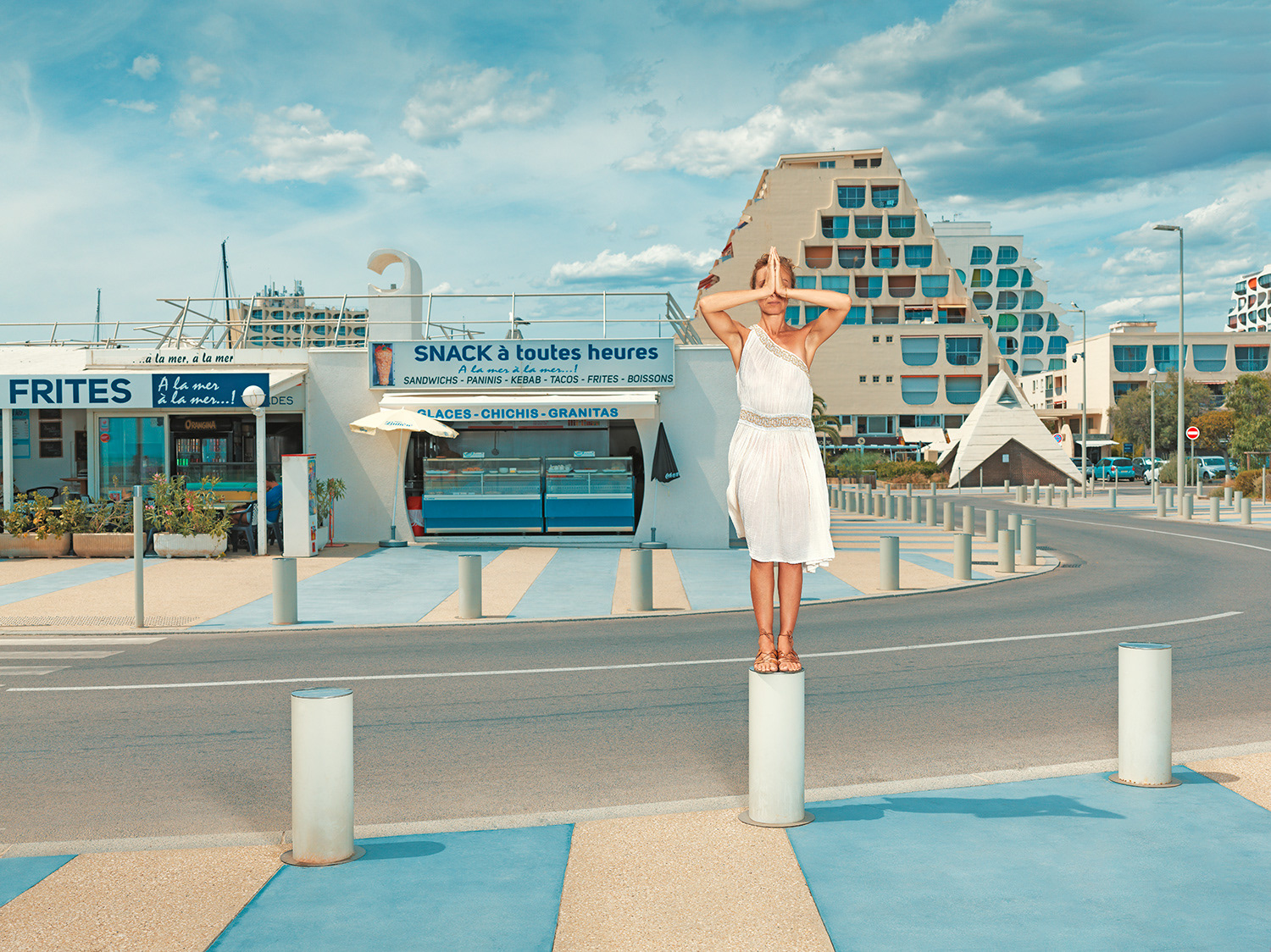
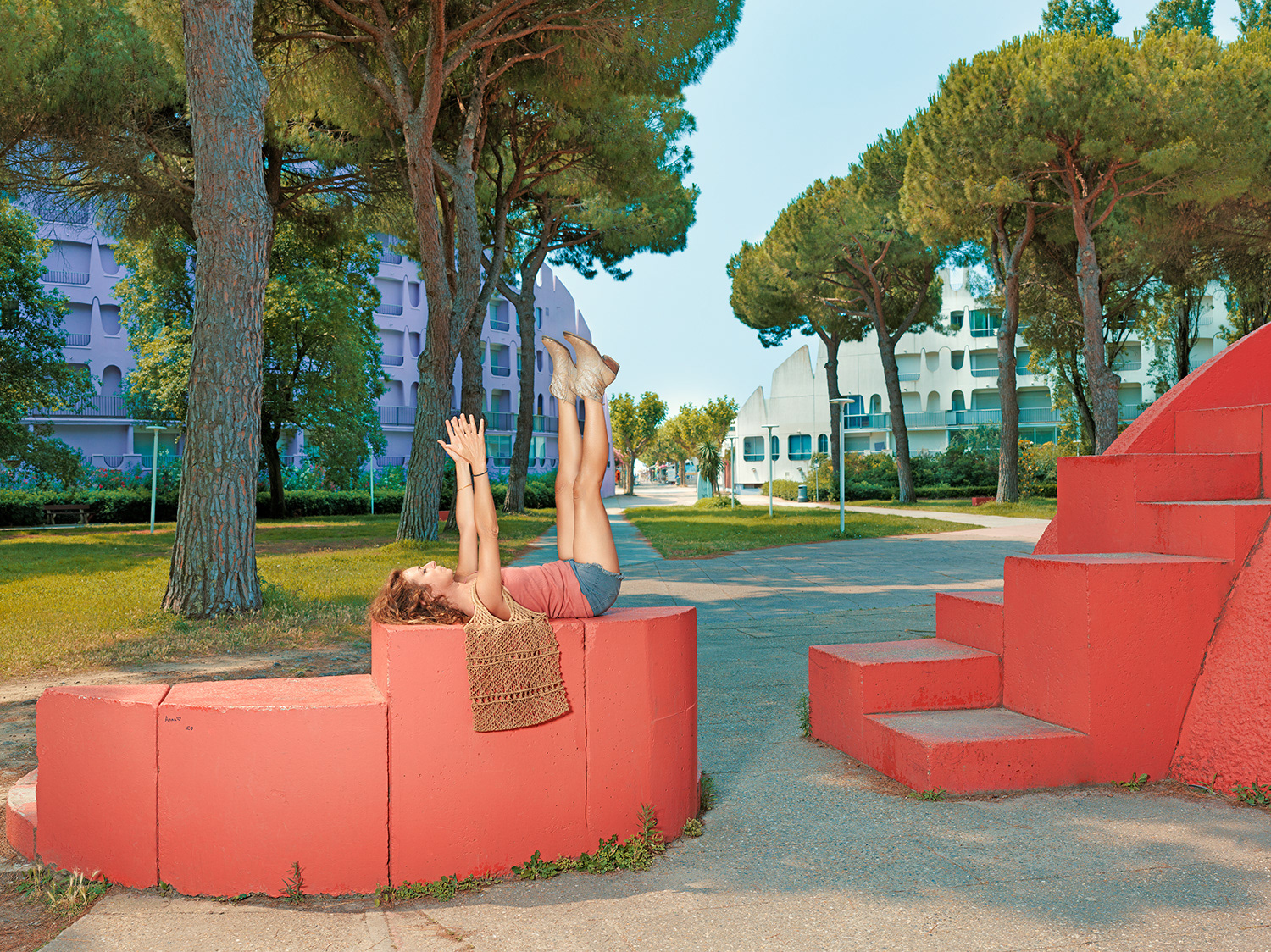
Les postures empruntent ici au vocabulaire du yoga, mais déplacé dans des lieux non destinés à cette pratique, parfois presque incongrus. Elles ne sont jamais virtuoses ni parfaitement exécutées : elles figurent davantage une tentative d’être au monde, avec sa difficulté, ses tensions, parfois son absurdité. Alors que le yoga vise traditionnellement une forme de dépassement de la condition humaine, ces gestes inachevés ou fragiles en révèlent la persistance.
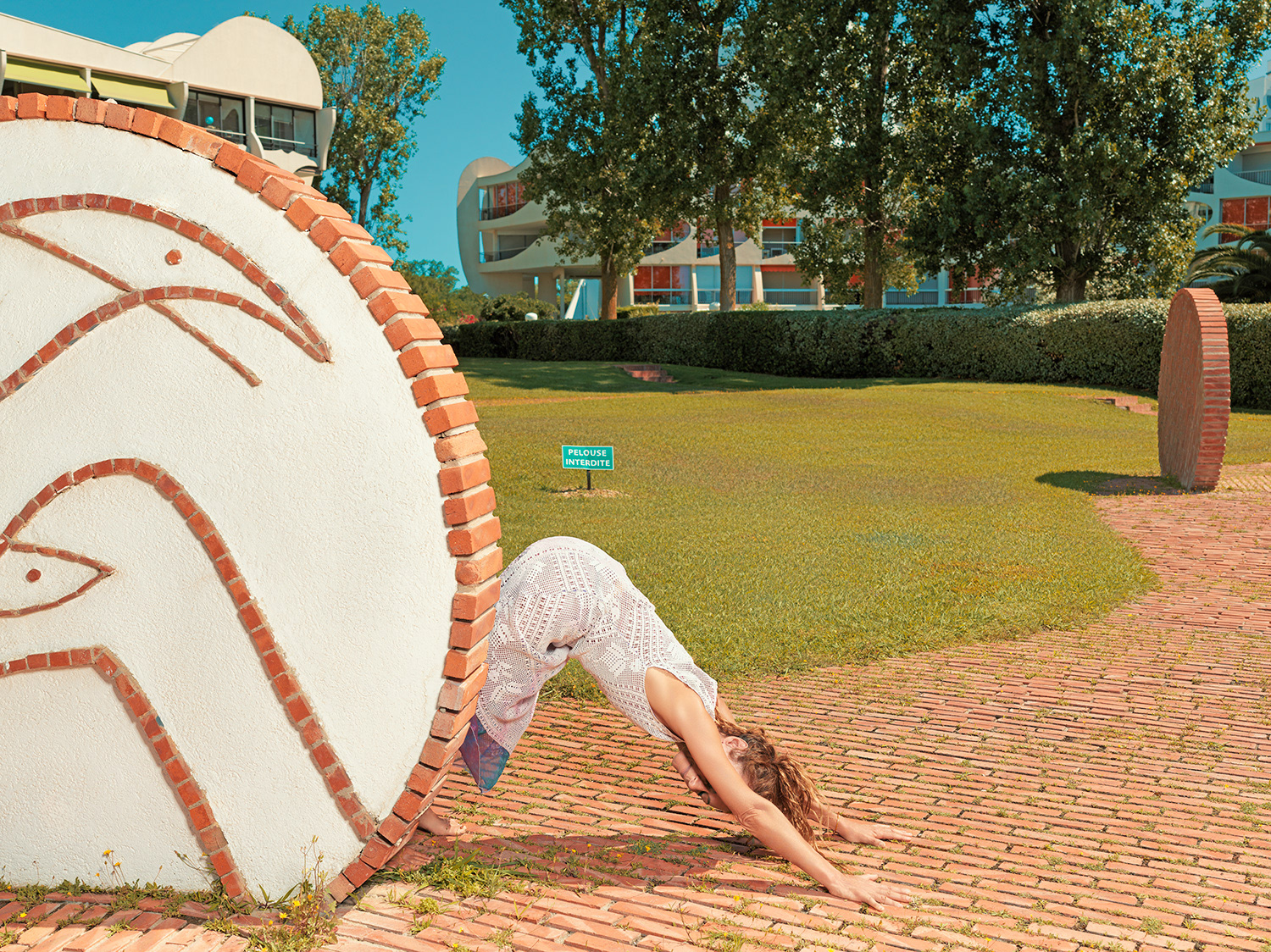
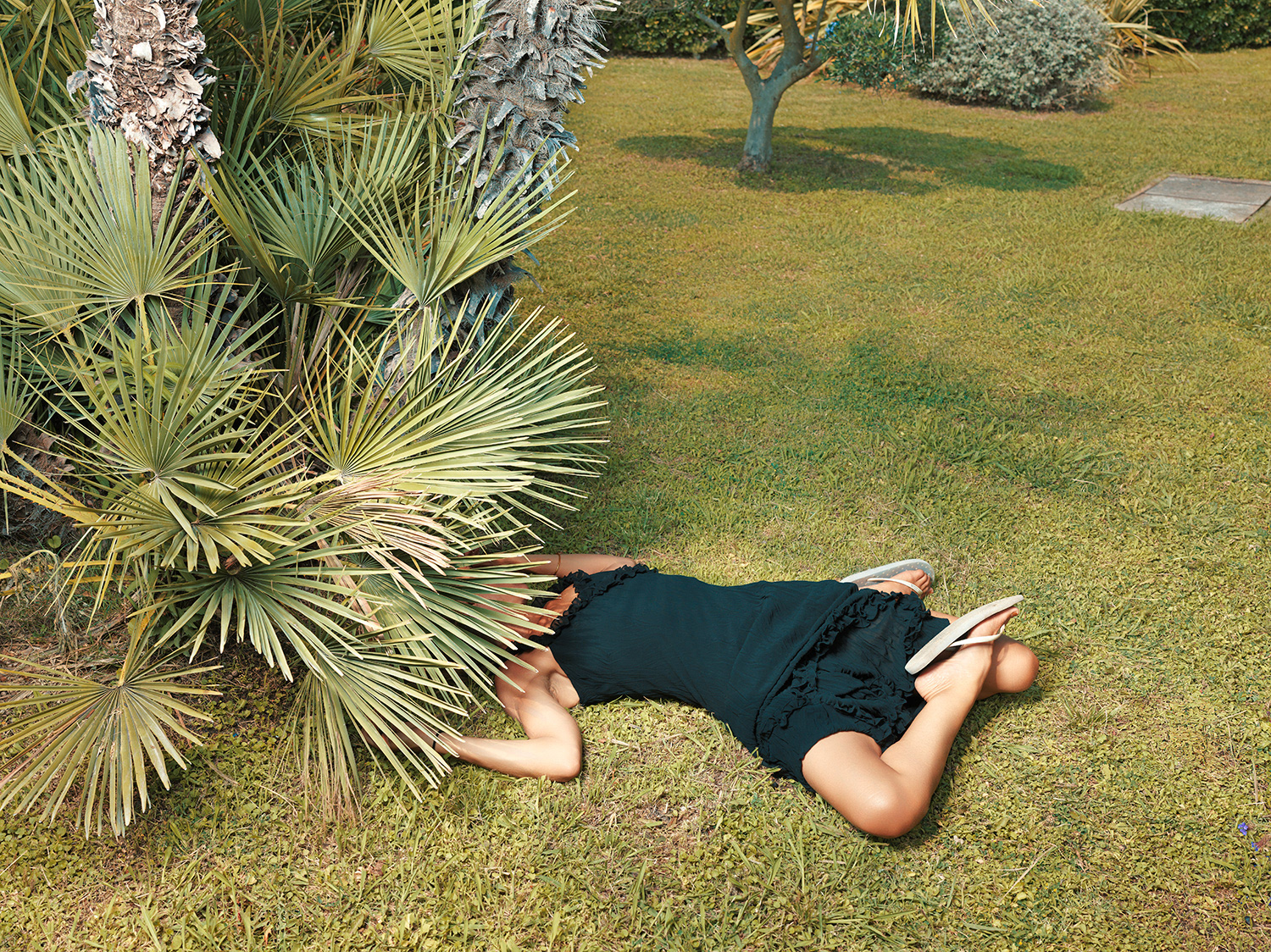
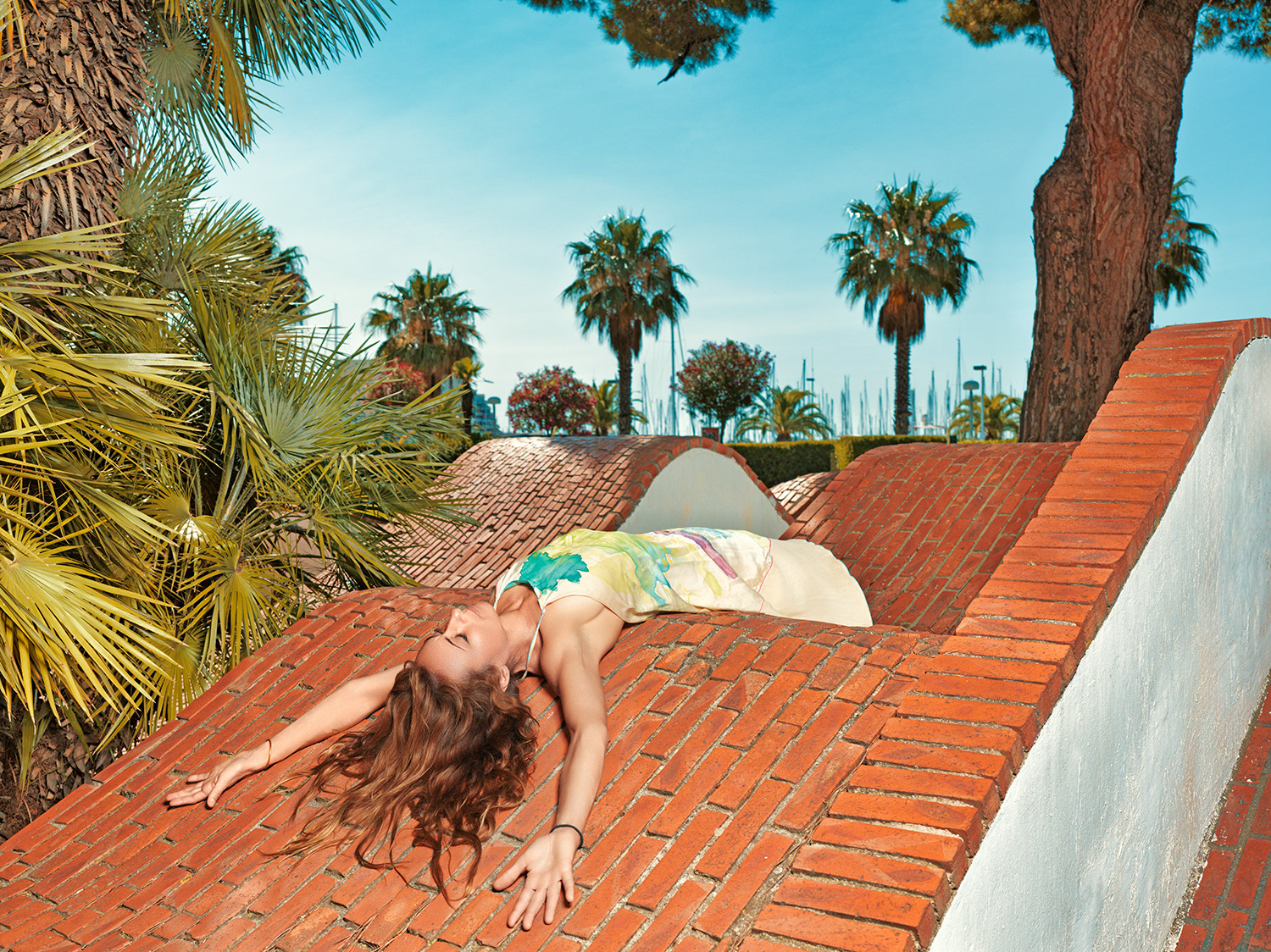
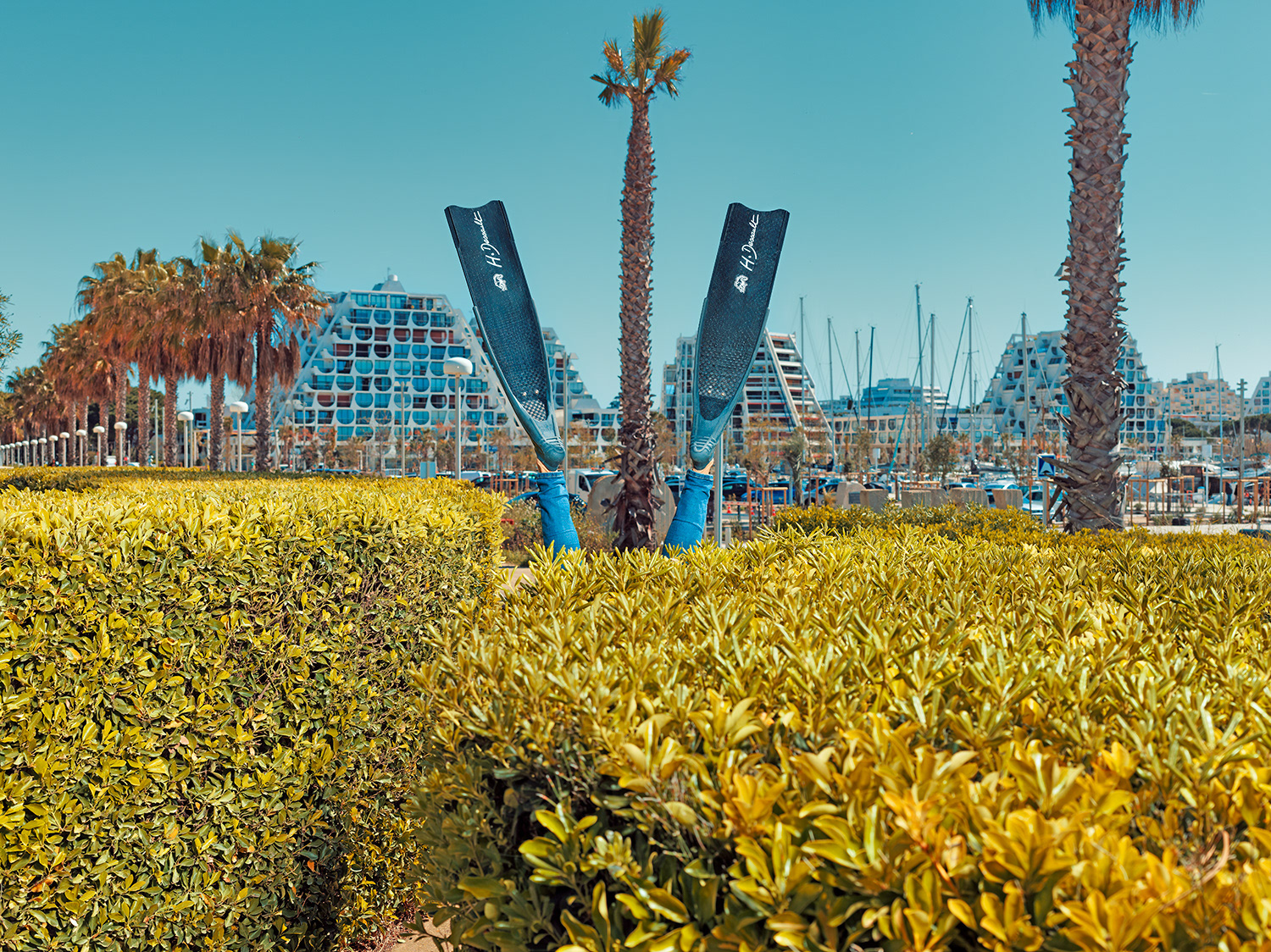
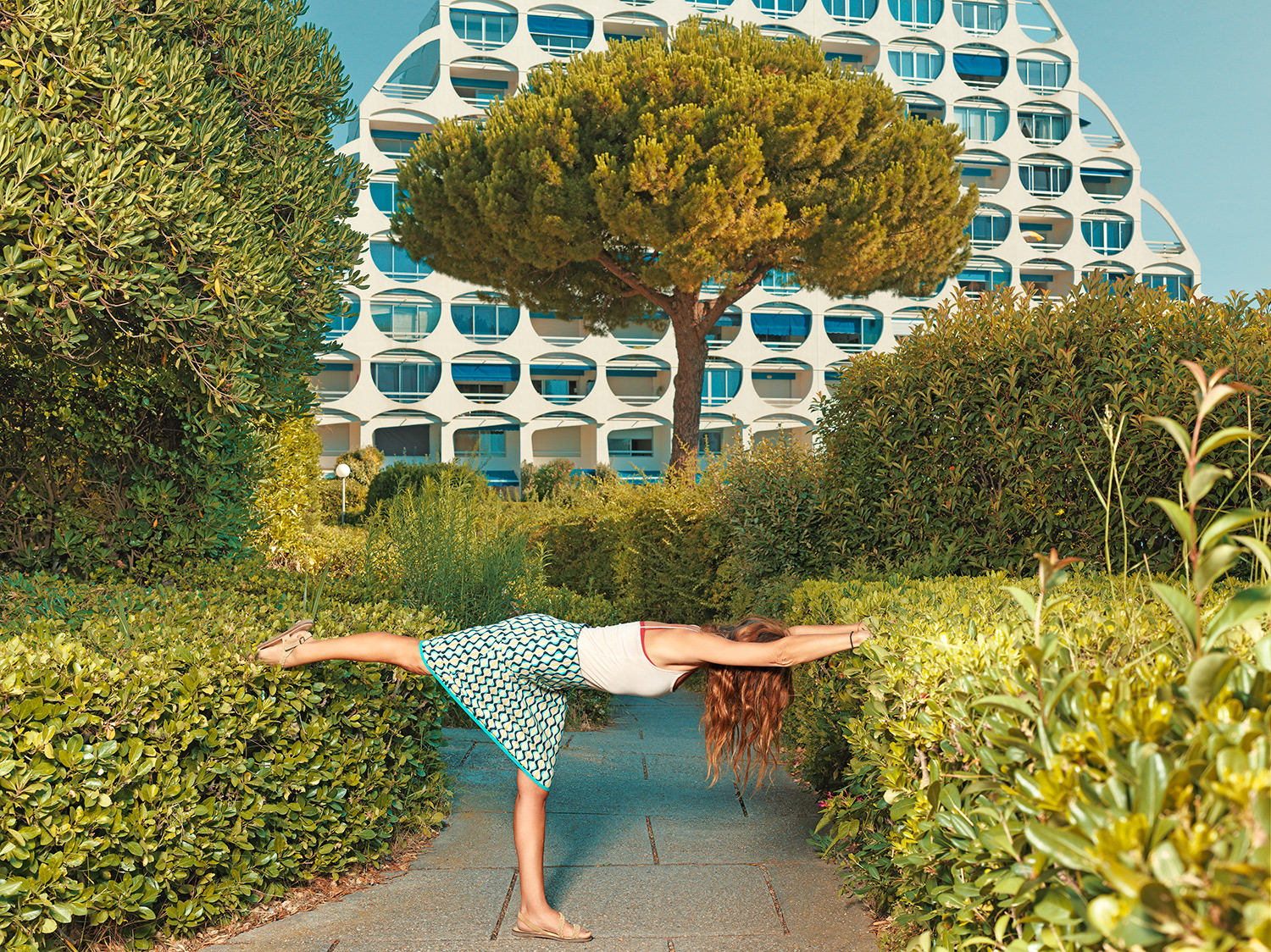
Dans ces espaces familiers étrangement vidés, le corps agit comme une perturbation : il suspend la scène ordinaire, la décale, la rend étrange. La banalité du quotidien se trouve ainsi transformée, ouvrant sur un rapport au monde décalé, mais peut‑être fantasmé par chacun. À l’inverse, certaines images montrent le personnage semblant faire corps avec son environnement, dans une forme de fusion calme. Elles laissent affleurer une note d’optimisme quant à la capacité de l’être humain à s’adapter, à habiter un monde construit, et à y inventer de nouvelles postures d’existence.
Texte inspiré d'écrits de Karine Bergami & Sylvie Fraissard
Postures de Yoga Karine Bergami
Posture(s) is a series created in La Grande Motte, conceived specifically for this territory and its modernist architecture. The project explores the human condition through the relationship between the individual and the city, nature, and, more broadly, their place in the world. The seaside resort designed by Jean Balladur – its avant‑garde urban planning, its formal and symbolic language, and its integration into greenery – becomes a laboratory in which this universal questioning is replayed.
The images engage with this humanist architecture in a harsh, direct light that heightens hyperrealism, lines, and volumes. The visual treatment pares down the environment, removing certain everyday elements to retain only a few selected traces. Within this filtered space, the recurring presence of a female figure – with almost wax‑like skin and a face often concealed – introduces a dimension that is at once real and slightly unreal. Some almost empty views function as mental landscapes that resonate with the questions embodied by this figure.
This woman, whom we follow over the course of the seasons, appears in her everyday clothes, staged in gardens, circulation routes, and ordinary or emblematic places in the city. She condenses the questions faced by human beings in their earthly existence. The project is built around the notion of posture: the attitude adopted towards the world, but also the configuration of the body in space, echoing architectural construction, and the way an organism confronts external stimuli.
Here, the postures draw on the vocabulary of yoga, but are displaced into spaces not intended for such practice, at times almost incongruous. They are never virtuosic or perfectly executed; rather, they embody an attempt at being‑in‑the‑world, with all its difficulty, tensions, and occasional absurdity. While yoga traditionally aims at a form of transcendence of the human condition, these unfinished or fragile gestures reveal its persistence.
In these strangely emptied familiar spaces, the body acts as a disturbance: it interrupts the ordinary scene, shifts it, makes it strange. The banality of everyday life is thus transformed, opening onto a relationship to the world that is off‑kilter, yet perhaps secretly fantasized by each of us. Conversely, certain images show the figure seemingly becoming one with her environment, in a state of quiet fusion. They allow a note of optimism to surface regarding the human capacity to adapt, to inhabit a constructed world, and to invent new postures of existence within it.